

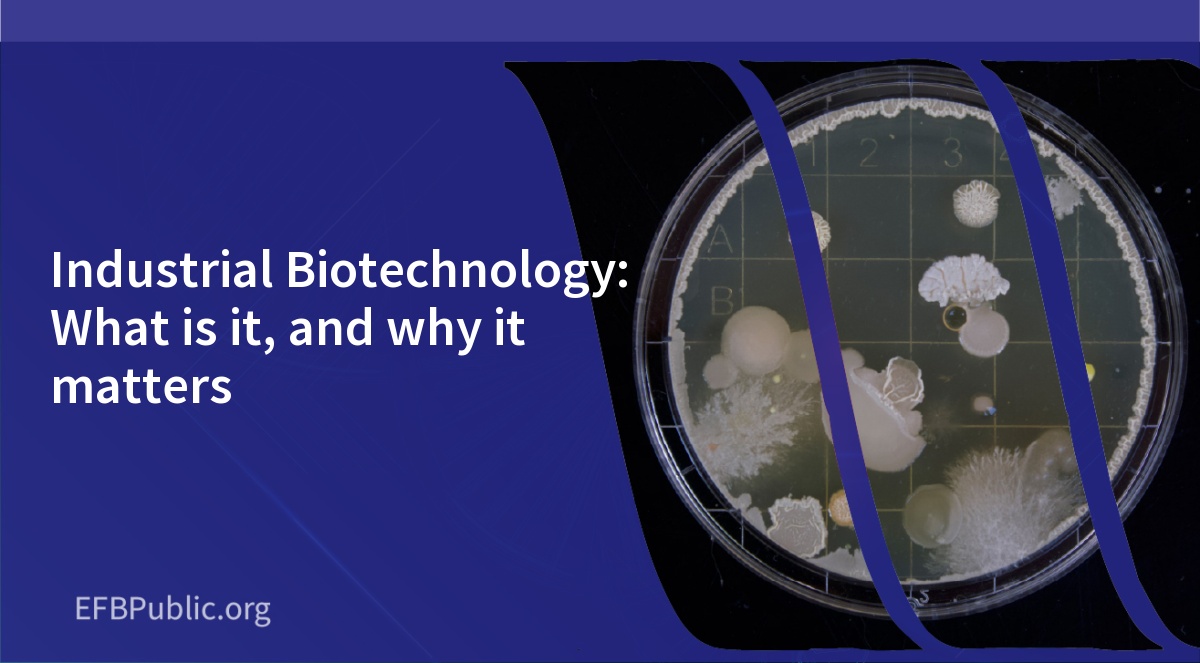
Industrial biotechnology transforms manufacturing by using living organisms for more efficient production and reduced environmental impact.
This field combines biological processes with technological innovation to revolutionize traditional manufacturing across multiple sectors, from chemicals and materials to energy and pharmaceuticals.
Before exploring the finer details, it helps to establish a clear baseline. Biotechnology spans a remarkably broad range of disciplines, and newcomers to the field often benefit from grounding themselves in a solid foundational overview. A thorough introduction to the core concepts of biotech can clarify how biological systems, living organisms, and molecular processes are harnessed to develop products and technologies that serve industries from agriculture to medicine. With that foundation in place, a more precise definition becomes far easier to unpack.
Understanding Biotechnology Fundamentals
Biotechnology combines biological systems with technological innovation to develop products and processes that benefit society. This interdisciplinary field encompasses genetics, biochemistry, molecular biology, and engineering to manipulate living organisms for practical applications.
The biotechnology landscape spans several specialized branches, each addressing different sectors and applications:
Green Biotechnology
Green biotechnology focuses on agricultural applications and environmental solutions. This branch utilizes genetic modification techniques to enhance crop performance and reduce environmental impact.
• Develops crops with enhanced nutritional profiles and disease resistance
• Employs recombinant DNA technology and tissue culture techniques
• Aims to reduce agriculture’s environmental footprint while increasing yields
Red Biotechnology
Red biotechnology concentrates on medical and pharmaceutical applications, representing the most established sector in the biotechnology field.
• Develops therapeutic drugs, vaccines, and diagnostic tools
• Employs microorganisms for producing life-saving treatments
• Utilizes biological systems for complex pharmaceutical manufacturing
Blue Biotechnology
Blue biotechnology harnesses marine and aquatic biological resources for various applications.
• Utilizes oceanic microorganisms for product development
• Focuses on sustainable use of aquatic ecosystems
• Explores novel compounds from marine environments
White Biotechnology (Industrial Biotechnology)
White biotechnology applies biological processes to industrial manufacturing, representing a paradigm shift toward bio-based production methods.
• Produces chemicals, materials, and fuels through biological means
• Addresses global challenges including sustainable energy and materials
• Replaces traditional chemical processes with biological alternatives
The Scope of Industrial Biotechnology
Industrial biotechnology fundamentally transforms traditional manufacturing by replacing chemical processes with biological alternatives. This approach leverages the precision and efficiency of natural biological systems.
Ancient civilizations utilized fermentation for brewing and bread-making, representing early forms of biotechnology. Traditional processes like cheese production and wine fermentation demonstrate humanity’s long relationship with biological manufacturing.
Modern industrial biotechnology emerged in the late 20th century, extending far beyond traditional fermentation to encompass sophisticated biological manufacturing systems.
Modern Applications
Contemporary industrial biotechnology involves producing chemicals with engineered microorganisms, creating sustainable materials from biological feedstocks, and generating energy through biological processes.
Core Processes and Methodologies
Industrial biotechnology operates through sophisticated biological systems that function as highly efficient biological factories. These processes demonstrate remarkable precision and efficiency compared to traditional chemical manufacturing.
Microbial Engineering
The foundation of industrial biotechnology lies in harnessing and optimizing microbial systems for specific manufacturing purposes.
• Scientists isolate promising microorganisms from natural environments
• Screening processes identify organisms capable of producing desired compounds
• Genetic engineering techniques enhance microbial production capabilities
Bioreactor Technology
Large-scale cultivation systems maintain optimal conditions for microbial growth and product formation.
• Controlled environments maximize microbial productivity
• Advanced monitoring systems ensure quality and consistency
• Scalable designs enable commercial production volumes
Product Recovery and Purification
Sophisticated downstream processing ensures high-quality final products suitable for commercial applications.
• Advanced separation techniques extract target products efficiently
• Purification processes ensure product quality and safety standards
• Quality control measures maintain consistent product specifications
Revolutionary Applications
Industrial biotechnology demonstrates its transformative power across multiple sectors, creating sustainable alternatives to traditional manufacturing processes.
Biofuel Production
The energy sector experiences significant transformation through biotechnological innovation. Biofuels represent sustainable alternatives to petroleum-based fuels, offering both environmental and economic benefits.
Plant biomass undergoes fermentation to produce ethanol for transportation fuel. Vegetable oils can be converted to biodiesel through biological processes. Advanced biofuels utilize non-food biomass sources to avoid competition with food production.
Research suggests biofuels can reduce greenhouse gas emissions compared to conventional fuels. Renewable feedstocks decrease dependence on fossil fuel resources while supporting rural economic development.
Bioplastics Innovation
The materials sector undergoes revolutionary change through bio-based plastic alternatives. These innovations address critical environmental challenges while maintaining functional performance.
Biodegradable polymers break down naturally under appropriate environmental conditions. Bio-based feedstocks reduce reliance on petroleum-derived materials while offering comparable performance characteristics.
Studies indicate bioplastics demonstrate reduced carbon footprints compared to conventional plastics. Biodegradable options help address persistent environmental contamination issues associated with traditional plastic waste.
Pharmaceutical Manufacturing
Industrial biotechnology revolutionizes drug production through biological manufacturing systems that offer precision and efficiency advantages over traditional chemical synthesis.
• Biological systems produce complex molecules difficult to synthesize chemically
• Scalable production systems meet growing pharmaceutical demand
• Cost-effective manufacturing helps reduce healthcare expenses
Protein-based drugs require biological production systems for proper folding and function. Vaccines utilize biotechnological manufacturing processes for safe and effective production.
Environmental and Economic Advantages
Industrial biotechnology offers compelling advantages that drive adoption across manufacturing sectors.
Environmental Sustainability
Manufacturing processes typically operate at lower temperatures and pressures than traditional chemical processes. This results in reduced energy consumption and decreased overall environmental impact.
• Biological catalysts replace harsh chemical processes
• Waste reduction minimizes environmental contamination
• Renewable feedstocks support circular economy principles
Economic Benefits
Improved process efficiency often reduces manufacturing costs compared to traditional methods. Renewable feedstocks can provide price stability compared to petroleum-based materials.
Innovation opportunities create new markets and applications while supporting job creation in biotechnology sectors. The field generates economic development opportunities in both developed and emerging markets.
Manufacturing Efficiency
Biological processes often demonstrate higher selectivity than chemical alternatives, reducing unwanted byproducts. Reduced processing steps can simplify manufacturing workflows while improving overall efficiency.
The Path Ahead
Industrial biotechnology continues evolving rapidly, with emerging technologies promising even greater transformative potential. Synthetic biology, artificial intelligence integration, and advanced genetic engineering techniques expand possibilities for biological manufacturing.
Emerging Technologies
Synthetic biology enables the design of custom biological systems for specific manufacturing applications. Machine learning optimization helps improve biological processes for maximum efficiency and productivity.
• Advanced genetic tools create organisms with enhanced production capabilities
• Integrated biorefinery concepts maximize resource utilization efficiency
• Digital biotechnology platforms accelerate development and optimization
Global Impact Potential
Industrial biotechnology offers solutions to pressing global challenges while creating economic opportunities. Climate change mitigation becomes possible through sustainable manufacturing processes that reduce carbon emissions.
Food security enhancement occurs through improved agricultural biotechnology applications. Healthcare accessibility improves through cost-effective pharmaceutical production methods that make treatments more affordable globally.
Industrial biotechnology represents a fundamental shift toward sustainable, efficient manufacturing that harnesses the transformative power of biological systems. This field demonstrates biotechnology’s potential to revolutionize how we produce essential materials, fuels, and pharmaceuticals.
Through continued innovation and responsible development, industrial biotechnology will play an increasingly vital role in creating a sustainable and prosperous future for global society.

- Biotech Licensing Deals Explained: Upfront Fees, Milestones, and Royalty Structures - October 19, 2026
- Synthetic Genomics: Building Genomes from Scratch and Why It Matters for Medicine - October 12, 2026
- CE Marking vs FDA 510(k): A Side-by-Side Regulatory Comparison for Medtech Founders - October 5, 2026