

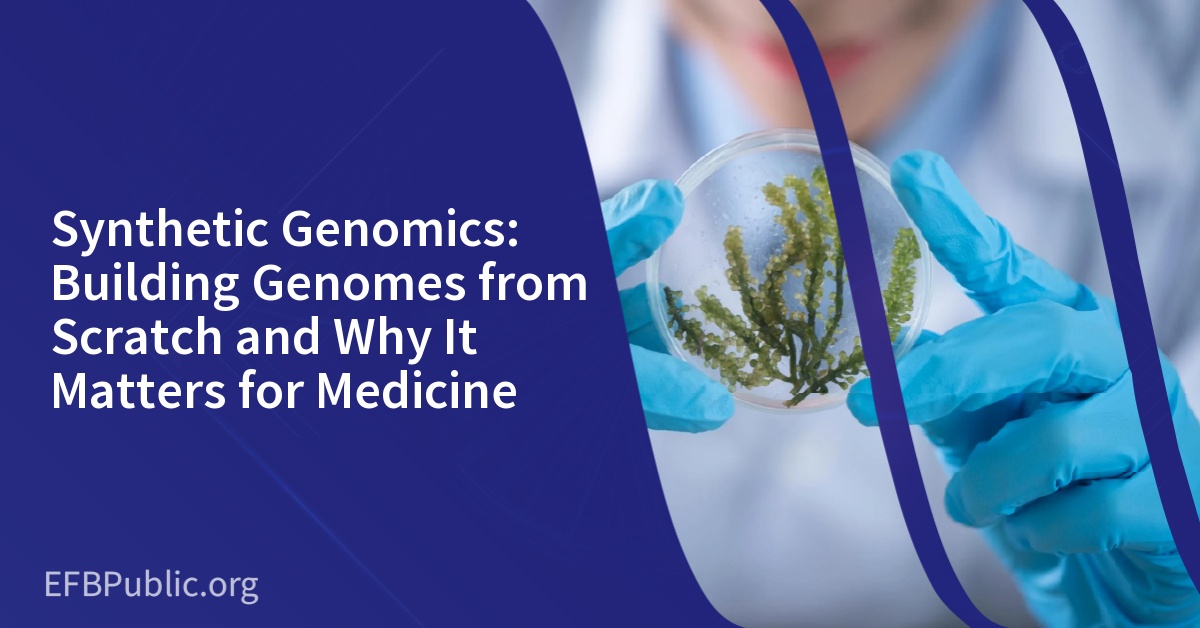
Synthetic genomics is moving from academic proof-of-concept to commercial platform faster than most life science professionals anticipated five years ago. The field sits at the intersection of computational design, chemical DNA synthesis, and cell biology, and it’s generating real traction in vaccine manufacturing, cell line engineering, and industrial biotechnology. If you’re evaluating platforms, building a company, or advising investors in this space, understanding the mechanistic foundations is the prerequisite for making sound strategic decisions.
What Synthetic Genomics Actually Means
What is synthetic genomics? Synthetic genomics is the design and construction of entire genomes using chemical DNA synthesis and computational design tools, operating at a scale that goes well beyond single-gene editing. Where CRISPR-Cas9 modifies existing DNA sequences within a living genome, synthetic genomics writes new sequences from the ground up, assembling them into functional chromosomes and transplanting them into a host cell chassis.
That distinction matters commercially and scientifically. Writing a new genome means you can eliminate evolutionary constraints entirely, recoding the genetic alphabet, removing unwanted regulatory elements, and building in features that no natural organism has ever carried. That’s a qualitatively different capability, not just a quantitative improvement.
| Dimension | Synthetic Genomics | Conventional Genetic Engineering |
|---|---|---|
| Starting material | Chemically synthesized DNA sequences | Existing genomic DNA |
| Scale | Whole genome or chromosome | Single gene or small region |
| Precision | Full sequence control from design | Constrained by native sequence context |
| Cost | High upfront, falling rapidly | Lower per-edit cost |
| Regulatory classification | Evolving, often unresolved | Established GMO frameworks |
How Scientists Build a Genome: The Engineering Pipeline
Whole-genome synthesis follows a defined engineering workflow. Each stage introduces its own technical constraints, and understanding where current bottlenecks sit is directly relevant to assessing platform viability.
The Four Core Steps
- Computational sequence design: Scientists use design software to write the target genome sequence, incorporating codon optimization (rewriting DNA codons to improve gene expression in the target organism), removing unwanted restriction sites, and encoding desired functional properties.
- Chemical oligonucleotide synthesis: Short DNA fragments, typically 200 base pairs or fewer, are synthesized chemically. Error rates at this stage are the primary quality bottleneck, and synthesis cost per base pair has fallen from several dollars to fractions of a cent over two decades.
- Hierarchical assembly: Oligonucleotides are assembled into progressively larger fragments using methods including Gibson Assembly, Golden Gate cloning, or the BASIC assembly standard. Fidelity at megabase scale remains a technical challenge, particularly for sequences with repetitive elements.
- Genome transplantation and validation: The assembled synthetic genome is transplanted into a recipient cell chassis (a host cell stripped of its own genetic material), and phenotypic function is verified through sequencing and growth assays.
Published Benchmarks
The J. Craig Venter Institute (JCVI) demonstrated the first self-replicating synthetic bacterial cell in 2010, using a chemically synthesized genome of Mycoplasma mycoides. By 2016, JCVI had produced JCVI-syn3.0, a minimal cell carrying only 473 genes, the smallest genome of any self-replicating organism demonstrated in published research. The Sc2.0 consortium has been systematically replacing yeast chromosomes with synthetic versions, providing a eukaryotic benchmark for whole-genome construction. These aren’t speculative projections. They’re peer-reviewed results that establish what the engineering pipeline can currently deliver.
Medical Applications: Where Synthetic Genomics Meets Clinical Need
Synthetic genomics matters for medicine because it enables capabilities that incremental editing cannot match. Three application areas have moved beyond preclinical demonstration toward commercial and regulatory engagement.
Vaccine and Therapeutic Protein Manufacturing
Synthetic genomes allow rapid redesign of viral vectors and microbial production organisms. During a novel pathogen outbreak, conventional strain development takes months. A synthetic genomics platform can compress that timeline by designing and assembling an attenuated viral genome from a published sequence within days. This is the capability that attracted serious manufacturing investment following the COVID-19 pandemic, and it’s a direct commercial argument for synthetic genomics over traditional vaccine development workflows.
Virus-Resistant Cell Lines
Recoding the genetic alphabet, replacing standard codons with non-standard synonyms throughout an entire genome, creates organisms that are inherently resistant to viral infection. Viruses that hijack host translation machinery can’t replicate in a cell whose codon usage they don’t recognize. For biopharmaceutical manufacturers running large-scale cell culture, this translates to a direct reduction in contamination risk and production downtime. Several groups have demonstrated recoded E. coli strains in published research, and the approach is being extended to mammalian cell lines used in biologics production.
Gene Therapy Payload Design
Synthetic genome design enables precise construction of therapeutic DNA payloads without the sequence constraints imposed by natural genomes. A synthetically designed payload can be codon-optimized for the target tissue, stripped of immunogenic sequences, and sized to fit the delivery vehicle. This is preclinical-stage work for most therapeutic applications, but the design advantages are clear and the regulatory pathway through IND submission is established for gene therapy products.
Biosafety, Ethics, and the Regulatory Landscape
Synthetic genomes raise biosafety concerns that go beyond conventional GMO regulation. Organisms with fully synthetic or recoded genomes may fall outside existing containment frameworks designed for naturally derived GMOs, and regulatory guidance specific to whole-genome synthesis remains underdeveloped in both the UK and EU.
In the UK and EU, synthetic genomics products for therapeutic use fall under EMA oversight, and the GMO Directive frameworks apply to environmental release. The practical problem is that neither framework was written with whole-genome synthesis in mind. If you’re building in this space, you should expect longer pre-submission engagement with regulators and a need for proactive biosafety documentation that goes beyond standard GMO risk assessments.
The dual-use concern is genuine and acknowledged by JCVI and the broader biosecurity community. The same techniques that enable rapid vaccine development could theoretically be applied to engineer pathogens. This isn’t a reason to avoid the field, but it is a reason to engage with biosecurity governance frameworks early, both because regulators will ask and because responsible development is a commercial differentiator in a field where public trust matters.
The Commercial Landscape and Key Players
The synthetic genomics commercial field has two distinct layers: infrastructure providers and application platforms.
Infrastructure and Platform Companies
Twist Bioscience and Integrated DNA Technologies (IDT) dominate the DNA synthesis infrastructure side, providing the oligonucleotide and gene synthesis services that all downstream applications depend on. Ginkgo Bioworks operates as an organism engineering platform, using automated foundry infrastructure to design and test engineered organisms at scale. Viridos, formerly Synthetic Genomics Inc., applies synthetic genomics to algae-based applications including biofuels and specialty lipids.
Academic Anchors
JCVI remains the primary source of whole-genome synthesis benchmarks. The Wellcome Sanger Institute and the Earlham Institute in Norwich are the UK’s most active synthetic genomics research sites. The Sc2.0 consortium spans Edinburgh, Cambridge, and international partners. For founders and investors operating in the European biotech ecosystem, these institutions represent both research partners and talent pipelines.
IP Strategy and Funding for Synthetic Genomics Ventures
Synthetic genome sequences and the design methods used to create them are patentable, but the IP landscape is complex. Foundational patents held by JCVI and commercial synthesis platforms create freedom-to-operate questions you must address before committing significant R&D spend. The design process itself, not just the resulting organism, constitutes protectable innovation. File before you present or publish.
Non-dilutive funding options with direct relevance to this space include Innovate UK grants for deep tech development, EIC Accelerator funding for high-risk high-reward innovation, and Horizon Europe calls targeting synthetic biology and genome engineering. These instruments are worth mapping against your funding runway before approaching venture capital, particularly given the capital intensity of whole-genome synthesis work at scale.
Where Synthetic Genomics Is Heading Next
The convergence of falling DNA synthesis costs, maturing computational design tools, and expanding regulatory engagement is compressing the timeline between academic demonstration and commercial deployment. The question for investors and founders is no longer whether whole-genome construction works. It’s which application areas will reach clinical or commercial scale first, and which platform architectures will prove defensible when the field matures.
Vaccine manufacturing and virus-resistant cell lines are the nearest-term bets, with established regulatory pathways and clear commercial buyers. Agricultural synthetic genomics and recoded chassis organisms for industrial fermentation are two to four years behind. If you’re positioning now, the IP filing strategy and the regulatory engagement timeline are the two variables most within your control.
Frequently Asked Questions
Why does synthetic genomics matter for drug development?
Synthetic genomics allows drug developers to design therapeutic payloads, viral vectors, and production organisms from scratch, removing sequence constraints that limit conventional approaches and compressing development timelines for vaccines and biologics.
How much does it cost to synthesize a genome?
DNA synthesis costs have fallen from several dollars per base pair to fractions of a cent over two decades. Whole-genome synthesis for a minimal bacterial genome is now technically feasible at research scale, though costs remain significant for larger genomes.
What companies are leading in synthetic genomics?
Twist Bioscience and IDT lead in synthesis infrastructure. Ginkgo Bioworks leads in organism engineering platforms. JCVI and the Sc2.0 consortium anchor the academic research side. Viridos applies the technology to algae-based commercial products.
How is synthetic genomics different from CRISPR gene editing?
CRISPR-Cas9 edits specific sequences within an existing genome. Synthetic genomics designs and assembles entire genomes from chemically synthesized DNA, enabling capabilities like full codon recoding that editing-based approaches cannot achieve.
What are the biosafety risks of synthetic genomics?
The primary concerns are dual-use potential and the possibility that synthetically recoded organisms fall outside existing GMO containment frameworks. Regulatory guidance specific to whole-genome synthesis remains underdeveloped in both the UK and EU.
Stay current on synthetic genomics regulatory developments and funding rounds. Subscribe to the efbpublic.org Biotech Intelligence Briefing for curated updates delivered to your inbox. You can also explore our related guide on CRISPR vs. synthetic biology to sharpen your analytical framework across the broader genome engineering toolkit.

- Biotech Licensing Deals Explained: Upfront Fees, Milestones, and Royalty Structures - October 19, 2026
- Synthetic Genomics: Building Genomes from Scratch and Why It Matters for Medicine - October 12, 2026
- CE Marking vs FDA 510(k): A Side-by-Side Regulatory Comparison for Medtech Founders - October 5, 2026