

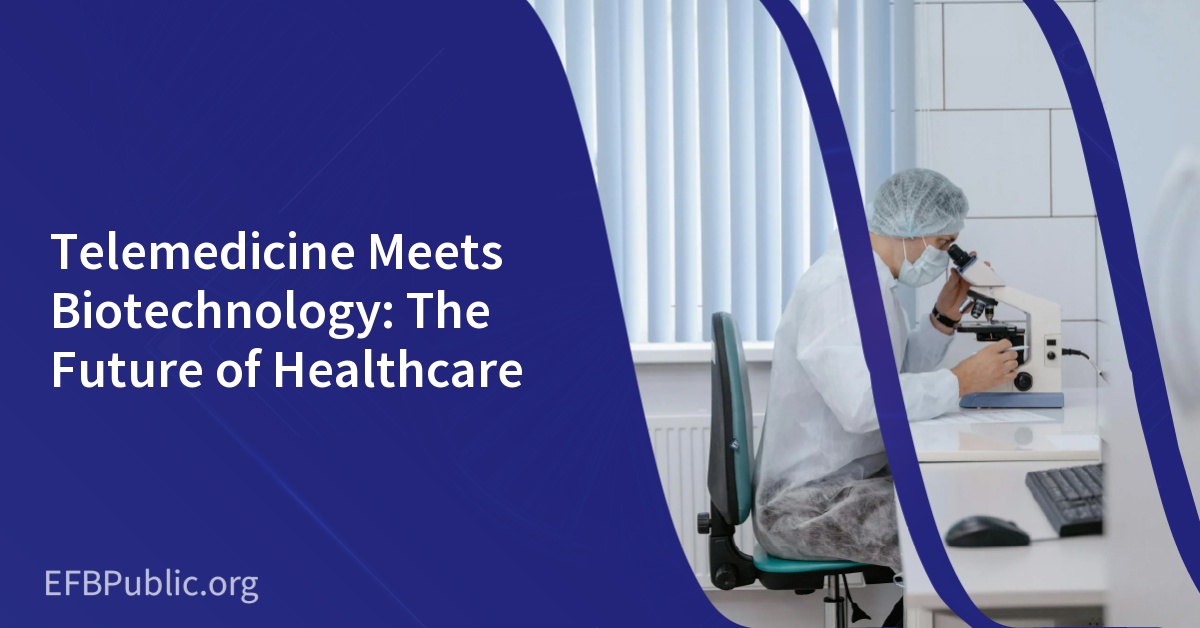
Healthcare stands at the threshold of revolutionary transformation. The convergence of telemedicine and biotechnology represents more than just technological advancement—it embodies the pioneering spirit that drives modern medical innovation.
This powerful combination harnesses the transformative power of biotechnology alongside digital health solutions to create unprecedented opportunities for patient care, accessibility, and treatment outcomes. As these technologies continue to evolve, they are reshaping how healthcare is delivered, accessed, and experienced by patients worldwide.
The Evolution of Digital Healthcare Solutions
Understanding the Telemedicine Revolution
The telemedicine landscape has undergone remarkable transformation over the past decade. This evolution represents a fundamental shift in how healthcare delivery operates, moving beyond traditional constraints to embrace digital connectivity.
Key developments in telemedicine include:
• Remote consultation platforms that connect patients with healthcare providers regardless of geographical barriers
• Digital diagnostic tools that enable preliminary health assessments from home environments
• Continuous monitoring systems that track patient health metrics in real-time
• Integrated communication platforms that facilitate seamless provider-patient interactions
Biotechnological Advancements Driving Healthcare Innovation
Biotechnology continues to revolutionize healthcare through groundbreaking advancements that enhance diagnostic capabilities and treatment precision. These innovations demonstrate the diverse applications of biotechnology across multiple healthcare sectors.
Revolutionary biotechnological developments include:
• Wearable biosensor technology that provides continuous health monitoring capabilities
• Artificial intelligence algorithms that analyze complex biological data patterns
• Precision medicine approaches that tailor treatments to individual genetic profiles
• Advanced diagnostic tools that detect health conditions at earlier stages
These individual breakthroughs do not emerge in isolation — they are increasingly being commercialized and scaled through a vibrant ecosystem of entrepreneurial ventures. biotech startups driving digital health innovation are playing a pivotal role in translating laboratory-level discoveries into real-world patient-facing solutions, bridging the gap between raw biotechnological capability and the telemedicine platforms that clinicians and consumers rely on daily. Understanding this startup-driven momentum is essential context for appreciating how wearable health devices have grown so sophisticated so quickly.
How Biotech Integration Transforms Telemedicine Capabilities
Wearable Health Technology and Real-Time Monitoring
The integration of biotechnology with telemedicine has produced sophisticated wearable health devices that fundamentally change how we approach preventive care and chronic disease management. These devices represent the convergence of biological monitoring and digital communication technologies.
Modern wearable health technology offers significant benefits. Continuous cardiovascular monitoring with real-time data transmission enables healthcare providers to track patient health remotely. Sleep pattern analysis helps identify potential health concerns before they become critical issues.
Activity tracking provides comprehensive lifestyle health assessments that inform treatment decisions. Biomarker monitoring capabilities allow for early detection of various health conditions. Integration with electronic health records creates comprehensive patient profiles that support better clinical decision-making.
Smart Device Applications in Chronic Disease Management
Smart medical devices have emerged as transformative tools for managing chronic conditions such as diabetes, hypertension, and heart disease. These devices exemplify how biotechnology enhances telemedicine effectiveness through continuous monitoring and data collection.
Chronic disease management benefits are substantial. Automated medication reminders and dosage tracking improve treatment adherence significantly. Real-time vital sign monitoring alerts healthcare providers to concerning changes in patient status.
Predictive analytics capabilities identify potential health complications before they occur. Patient education tools provide personalized health information and guidance tailored to individual needs.
Transformative Advantages of Integrated Healthcare Technology
Enhanced Diagnostic Capabilities and Treatment Precision
The combination of telemedicine and biotechnology creates unprecedented opportunities for accurate diagnosis and personalized treatment approaches. This integration enables healthcare providers to access comprehensive patient data while maintaining the convenience of remote care delivery.
Diagnostic and treatment improvements encompass several areas. Advanced imaging technologies can be operated remotely with expert interpretation capabilities. Laboratory-on-chip devices provide rapid diagnostic results in home settings, reducing the need for clinical visits.
AI-powered diagnostic algorithms assist healthcare providers in clinical decision-making processes. Genetic testing integration informs personalized treatment strategies based on individual patient profiles.
These clinical advances do not exist in isolation — they are made possible by a broader, systemic shift in how healthcare is designed and delivered. The integration of digital health and biotechnology provides the connective infrastructure that allows AI-driven diagnostics and personalized genetic therapies to scale beyond elite research centers and reach diverse patient populations. As this convergence deepens, we see its impact extending well past the clinic, reshaping how patients engage with their own care and how health systems address long-standing inequities in access and outcomes.
Improved Healthcare Accessibility and Patient Engagement
This technological convergence addresses significant healthcare accessibility challenges while enhancing patient engagement in their own care management. The democratization of healthcare technology represents a fundamental shift toward more inclusive healthcare delivery.
Accessibility improvements are multifaceted. Rural and underserved communities gain access to specialist care through digital platforms. Reduced healthcare costs result from preventive monitoring and early intervention strategies.
Multilingual support systems serve diverse patient populations effectively. Flexible scheduling options accommodate various patient needs and preferences while maintaining quality care standards.
Addressing Implementation Challenges and Ethical Considerations
Digital Security and Patient Privacy Protection
The integration of biotechnology and telemedicine raises important considerations regarding data security and patient privacy protection. Healthcare organizations must implement robust security measures to protect sensitive health information while maintaining the benefits of digital connectivity.
Critical security measures are essential for successful implementation. End-to-end encryption protocols protect all patient data transmission. Multi-factor authentication systems secure both healthcare provider and patient access to platforms.
Regular security audits and vulnerability assessments of digital health platforms help identify potential risks. Compliance with healthcare privacy regulations across different jurisdictions ensures legal protection.
Ensuring Equitable Access to Healthcare Technology
The implementation of advanced healthcare technology must address potential disparities in access and usage across different demographic groups. Healthcare equity remains a fundamental consideration in the deployment of biotechnology-enhanced telemedicine solutions.
Preparing Healthcare Professionals for the Digital Future
Educational Innovation in Healthcare Training
Leading educational institutions are revolutionizing healthcare education by integrating biotechnology and digital health training into their curricula. This comprehensive approach prepares future healthcare professionals for the evolving landscape of technology-enhanced medical practice.
Educational program components include interdisciplinary coursework that combines life sciences, artificial intelligence, and medical technology. Hands-on training with cutting-edge biotechnology tools and telemedicine platforms provides practical experience.
Ethics and legal considerations in digital healthcare implementation are integral to modern medical education. Patient communication skills for virtual care environments require specialized training approaches.
The Path Ahead
The convergence of telemedicine and biotechnology represents a transformative force in healthcare delivery, offering unprecedented opportunities to improve patient outcomes while addressing traditional barriers to care access.
As these technologies continue to evolve, healthcare organizations must balance innovation with ethical considerations, ensuring that the benefits of digital health advancement reach all patient populations. The future of healthcare lies in the thoughtful integration of these powerful technologies, creating more accessible, efficient, and personalized care experiences.
Through continued investment in education, research, and responsible implementation practices, the healthcare industry can harness the full potential of this technological convergence. This approach will create a more equitable and effective healthcare system for future generations, truly embodying the transformative power of biotechnology in improving human health and well-being.

- Biotech Licensing Deals Explained: Upfront Fees, Milestones, and Royalty Structures - October 19, 2026
- Synthetic Genomics: Building Genomes from Scratch and Why It Matters for Medicine - October 12, 2026
- CE Marking vs FDA 510(k): A Side-by-Side Regulatory Comparison for Medtech Founders - October 5, 2026