

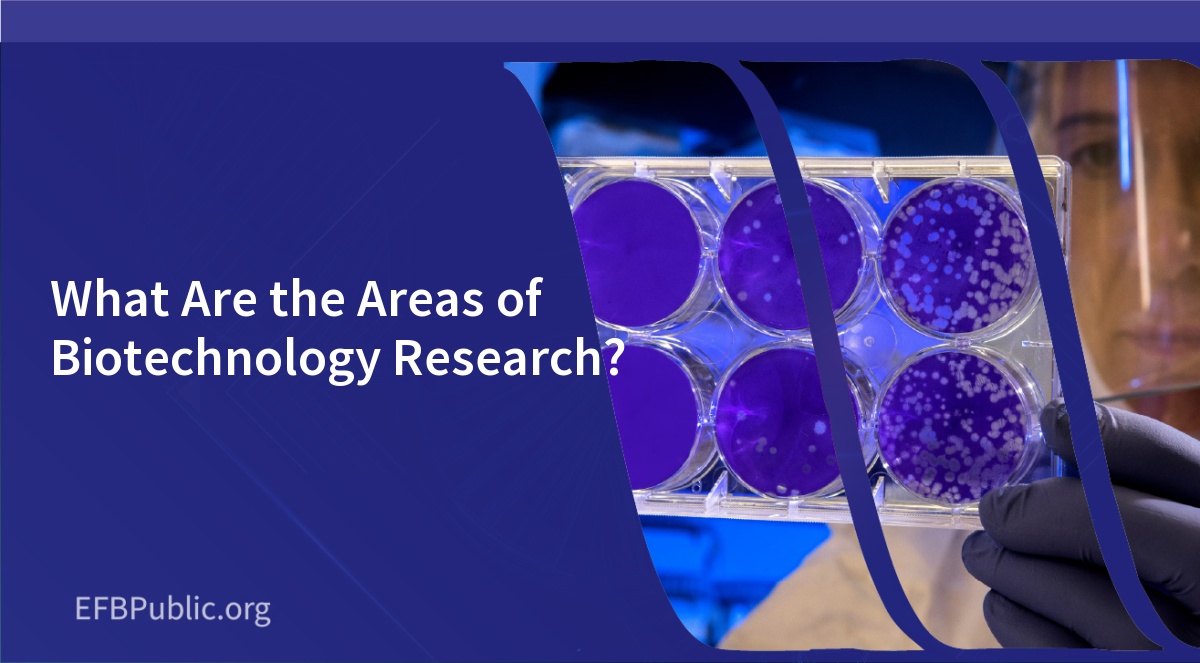
Biotechnology is a key tool for tackling global challenges, including developing life-saving medicines and sustainable food systems. This interdisciplinary field uses living organisms and biological processes to develop innovative solutions for healthcare, agriculture, environmental protection, and industrial manufacturing.
The field combines principles from biology, chemistry, physics, engineering, and computer science to develop products and technologies that improve human health and environmental sustainability.
Understanding biotechnology’s diverse applications helps us appreciate its potential to revolutionize how we interact with the biological world.
What is Biotechnology?
Biotechnology harnesses living organisms, biological systems, or derivatives to develop products and technologies that improve human life and environmental sustainability. This interdisciplinary approach manipulates cellular and biomolecular processes to create useful products across multiple sectors.
The field encompasses several key areas:
• Manipulating cellular and biomolecular processes to create beneficial products
• Developing genetically modified organisms for specific applications
• Engineering biological systems for therapeutic, agricultural, and industrial purposes
Modern biotechnology differs significantly from traditional biological applications. Ancient civilizations used fermentation for brewing and baking, but today’s biotechnology utilizes advanced genetic engineering and molecular biology for precise modifications.
The Evolution of Biotechnology
Ancient Foundations
Biotechnology’s roots extend back thousands of years. Early civilizations unknowingly employed biological processes in various applications. Traditional fermentation techniques enabled ancient societies to produce alcoholic beverages and preserve foods through natural biological processes.
Archaeological evidence suggests that humans have used selective breeding of crops and livestock for desired traits for millennia. These early applications laid the groundwork for modern biotechnology’s more sophisticated approaches.
Modern Biotechnology Era
The field transformed dramatically during the mid-20th century with groundbreaking scientific discoveries. The identification of DNA structure in the 1950s provided the foundation for understanding genetic material and its manipulation.
Key developments include:
• Recombinant DNA technology development in the 1970s enabled precise genetic manipulation
• The establishment of pioneering biotech companies marked the industry’s commercial beginning
• Human Genome Project completion provided unprecedented insights into genetic medicine
Major Areas of Biotechnology Research
Medical and Healthcare Biotechnology
Medical biotechnology focuses on developing therapeutic solutions and diagnostic tools to improve human health outcomes. This field has produced numerous breakthrough treatments and continues to drive innovation in personalized medicine.
Recent advances demonstrate the field’s potential:
• Vaccine Development: Creating immunizations against infectious diseases using various platforms
• Gene Therapy: Treating genetic disorders by introducing functional genes into patient cells
• Regenerative Medicine: Developing tissue engineering and stem cell therapies
The COVID-19 pandemic showcased biotechnology’s capabilities, with mRNA vaccine technology demonstrating remarkable efficacy in rapid vaccine development.
Agricultural Biotechnology
Agricultural biotechnology addresses global food security challenges while promoting sustainable farming practices. This field develops solutions to feed growing populations while minimizing environmental impact.
Major focus areas include:
• Crop Enhancement: Developing plants with improved nutritional content and yield potential
• Pest and Disease Resistance: Creating crops that naturally resist harmful organisms
• Climate Adaptation: Engineering plants tolerant to drought, heat, and environmental stresses
Research suggests that biotechnology applications in agriculture could help address food security while reducing chemical pesticide dependency.
Environmental Biotechnology
Environmental biotechnology leverages biological systems to address pollution and sustainability challenges. This field offers promising solutions for environmental remediation and sustainable manufacturing.
Primary applications encompass:
• Bioremediation: Using microorganisms to clean up contaminated environments
• Waste Treatment: Developing biological processes for effective waste management
• Biofuel Production: Creating renewable energy sources from biological materials
Industrial Biotechnology
Industrial biotechnology applies biological systems to manufacturing processes, creating more sustainable production methods. This approach often replaces traditional chemical processes with biological alternatives.
Key innovations include:
• Enzyme Production: Manufacturing specialized proteins for various industrial applications
• Biomaterials: Creating sustainable alternatives to petroleum-based products
• Fermentation Processes: Scaling biological production for commercial use
Essential Tools and Techniques
Modern biotechnology relies on sophisticated tools and techniques that enable precise manipulation of biological systems. These technologies form the foundation of current biotechnology applications.
Genetic Engineering Technologies
Contemporary genetic engineering employs several key methodologies:
• CRISPR-Cas9: Precise gene editing system enabling targeted DNA modifications
• Recombinant DNA Technology: Combining genetic material from different organisms
• Gene Cloning: Creating identical copies of specific genes for research and production
Cell Culture and Fermentation
Biotechnology production often requires controlled biological environments:
• Tissue Culture: Growing cells and tissues in controlled laboratory conditions
• Bioreactor Systems: Scaling up biological processes for commercial production
• Fermentation Optimization: Maximizing efficiency of biological production processes
Benefits and Opportunities
Healthcare Advancements
Biotechnology has revolutionized medical treatment and prevention approaches. The field continues to produce targeted therapies with improved efficacy and reduced side effects compared to traditional treatments.
Key benefits include the development of diagnostic tools enabling early disease detection and the production of life-saving medications using biological systems. Personalized treatment approaches represent a growing area of biotechnology application.
Agricultural Improvements
Agricultural biotechnology offers significant benefits for global food security. Enhanced crop yields help support growing populations while potentially reducing reliance on chemical pesticides and fertilizers.
Development of crops adapted to changing climate conditions becomes increasingly important as environmental challenges intensify. Improved nutritional content of food products addresses malnutrition in various regions.
Environmental Solutions
Environmental applications provide sustainable alternatives to traditional industrial processes. Cleanup of contaminated sites using biological processes offers cost-effective remediation solutions.
Production of renewable fuels reduces dependence on fossil fuels while creating biodegradable materials that minimize waste accumulation in ecosystems.
Challenges and Considerations
Regulatory and Ethical Framework
The biotechnology industry operates within complex regulatory environments that vary by region and application. Ensuring the safety and efficacy of biotechnology products requires extensive testing and validation processes.
Balancing innovation with precautionary principles presents ongoing challenges for regulators and industry stakeholders. International coordination of regulations remains complex due to varying national approaches to biotechnology oversight.
Scientific and Technical Challenges
Research and development face several significant obstacles. The complexity of biological systems creates unpredictable outcomes that can complicate product development timelines.
Scaling laboratory discoveries to commercial applications requires substantial resources and technical expertise. Long development timelines and high costs impact innovation pace across the industry.
Societal Considerations
Biotechnology raises important questions about equitable access to benefits across different populations. Addressing concerns about genetic modification and its relationship to natural processes requires ongoing public engagement.
Managing potential environmental impacts of new technologies demands careful assessment and monitoring. Balancing economic interests with public welfare considerations remains an ongoing challenge for the field.
Looking Forward
The biotechnology field continues evolving rapidly, with emerging trends shaping future directions. Advances in artificial intelligence and machine learning are accelerating drug discovery and development processes across the industry.
Synthetic biology approaches enable the design of entirely new biological systems for specific applications. These developments may lead to breakthrough solutions for climate change, disease treatment, and sustainable manufacturing.
The convergence of biotechnology with other technologies promises to unlock new possibilities. Interdisciplinary approaches combining biotechnology with nanotechnology and information technology may produce innovative solutions to complex global challenges.
Success in biotechnology relies on ongoing scientific progress, favorable regulations, and public awareness of its potential and limitations.

- Biotech Licensing Deals Explained: Upfront Fees, Milestones, and Royalty Structures - October 19, 2026
- Synthetic Genomics: Building Genomes from Scratch and Why It Matters for Medicine - October 12, 2026
- CE Marking vs FDA 510(k): A Side-by-Side Regulatory Comparison for Medtech Founders - October 5, 2026