

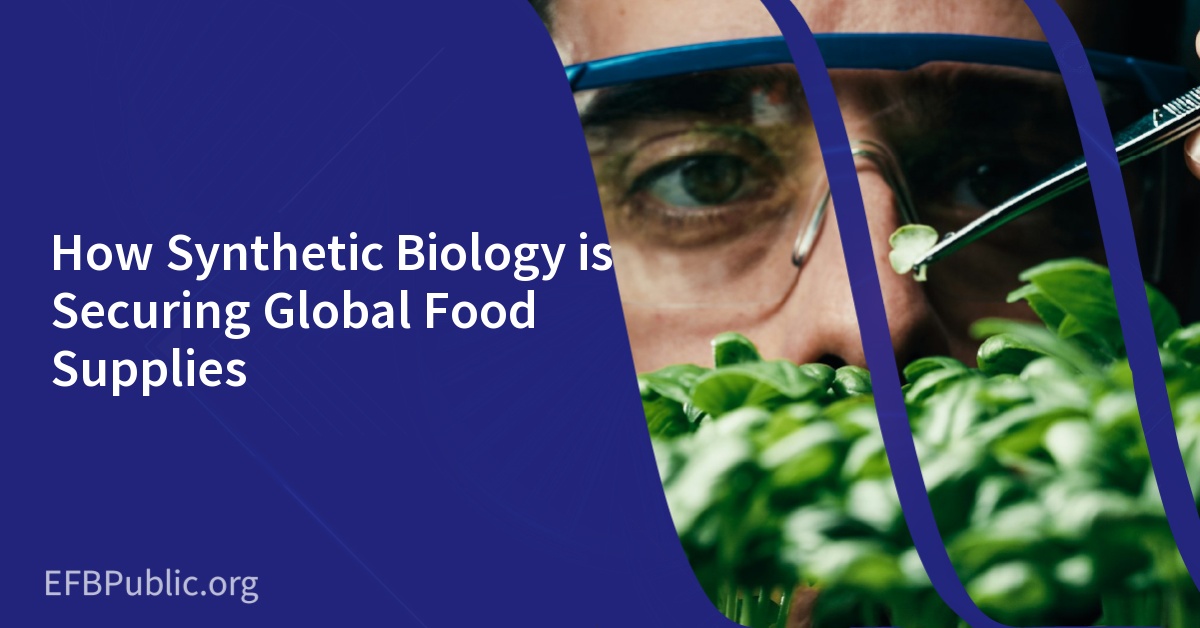
Global food systems face unprecedented challenges as populations grow and climate patterns shift. Synthetic biology emerges as a pioneering force in addressing these critical issues, offering transformative solutions that could reshape how we produce and distribute food worldwide.
This interdisciplinary field harnesses the power of genetic engineering and cellular processes to create innovative approaches to agriculture and food production. From developing resilient crops to producing cultivated meat in laboratories, synthetic biology represents a fundamental shift toward more sustainable food systems.
Understanding Synthetic Biology’s Role in Modern Agriculture
Synthetic biology combines principles from engineering, biology, and computer science to design biological systems with enhanced characteristics. In agriculture, this approach enables scientists to develop crops with properties that traditional breeding methods cannot achieve within practical timeframes.
Genetic Engineering Advances in Crop Development
Research in genetic engineering focuses on creating crops that can better withstand agricultural challenges. Scientists work with specific biological processes to enhance plant characteristics, though methodologies and success rates vary across different research initiatives.
Key development areas include:
• Enhanced resistance to environmental stresses and changing climate conditions
• Improved nutritional content and bioavailability of essential nutrients
• Extended shelf life and reduced post-harvest losses
• Better adaptation to diverse growing environments
• Reduced dependency on external chemical inputs
Precision Agriculture Integration
The integration of synthetic biology with precision agriculture technologies creates opportunities for more efficient resource utilization. These approaches aim to optimize crop yields while minimizing environmental impact.
• Advanced monitoring systems for real-time plant health assessment
• Targeted nutrient application based on specific crop requirements
• Data-driven decision making for optimal planting and harvesting
• Enhanced crop quality through controlled growing conditions
Addressing Food Security Through Biotechnology Innovation
Food security represents one of the most pressing challenges of our time. Synthetic biology offers diverse applications to address this complex issue through various technological approaches.
Herbicide-Resistant Crop Development
Scientists have developed approaches to create crops that can better coexist with weed management systems. Research suggests that modifications to specific enzyme systems can provide enhanced tolerance to certain agricultural chemicals, though exact mechanisms vary across different crop varieties.
Potential benefits include:
• Improved weed control capabilities for agricultural operations
• Enhanced crop survival rates in challenging growing conditions
• More flexible timing for various farming operations
Insect-Resistant Crop Technologies
Biotechnology approaches to pest resistance often involve incorporating naturally occurring proteins into crop plants. Studies suggest that certain bacterial proteins can provide protection against various agricultural pests, though effectiveness varies depending on specific pest species and environmental conditions.
Cultivated Meat: Transforming Protein Production
The cultivated meat sector represents an innovative approach to protein production that involves growing animal cells in controlled laboratory environments. This technology aims to produce meat products without traditional animal agriculture methods.
Cost Reduction Initiatives
Multiple companies are working to reduce production costs for cultivated meat products. Research suggests that improvements in cell culture technologies and production scaling could make these products more economically viable, though exact cost projections and timelines remain uncertain.
Development focus areas include:
• More efficient cell culture systems for improved growth rates
• Enhanced production processes to increase overall efficiency
• Optimization of growth media to reduce input costs
Regulatory Progress and Market Development
The regulatory landscape for cultivated meat continues to evolve as government agencies develop frameworks for approving these novel food products. Several companies have achieved regulatory milestones in different markets, though the timeline for broader commercial availability varies by region.
Future Prospects and Emerging Applications
The future of synthetic biology in food production extends beyond current applications, with researchers exploring innovative approaches that could further transform food systems. These developments represent the pioneering spirit that drives biotechnology innovation forward.
Novel Food Product Development
Emerging applications in synthetic biology focus on creating new categories of food products that combine benefits of traditional and modern production methods. Research suggests these products could offer enhanced nutritional profiles while addressing sustainability concerns, though specific outcomes require ongoing verification.
Sustainable Production Systems
The integration of synthetic biology with sustainable production practices could revolutionize food manufacturing approaches. These systems aim to reduce environmental impact while maintaining food quality and availability, though implementation varies significantly across different production contexts.
Challenges and Considerations
While synthetic biology offers potential for addressing food security challenges, several considerations must be addressed to ensure responsible development and implementation of these technologies.
Technical and Scientific Challenges
Despite progress in the field, synthetic biology in food production faces ongoing technical challenges that researchers continue to address. Success in overcoming these challenges will determine the ultimate impact of these technologies.
Key challenge areas include:
• Scaling production processes from laboratory to commercial levels
• Ensuring consistent product quality across different production batches
• Developing cost-effective production methods for widespread adoption
Looking Forward
Synthetic biology represents a transformative force in addressing global food security challenges through innovative biotechnology applications. From developing resilient crops to creating novel protein production methods, this field offers diverse solutions to complex agricultural challenges.
The success of these technologies will depend on continued research, thoughtful regulation, and broad collaboration between scientists, industry, and society.
As we move forward, synthetic biology’s potential to revolutionize food systems while addressing sustainability concerns positions it as a critical component of future food security strategies.

- Biotech Licensing Deals Explained: Upfront Fees, Milestones, and Royalty Structures - October 19, 2026
- Synthetic Genomics: Building Genomes from Scratch and Why It Matters for Medicine - October 12, 2026
- CE Marking vs FDA 510(k): A Side-by-Side Regulatory Comparison for Medtech Founders - October 5, 2026