

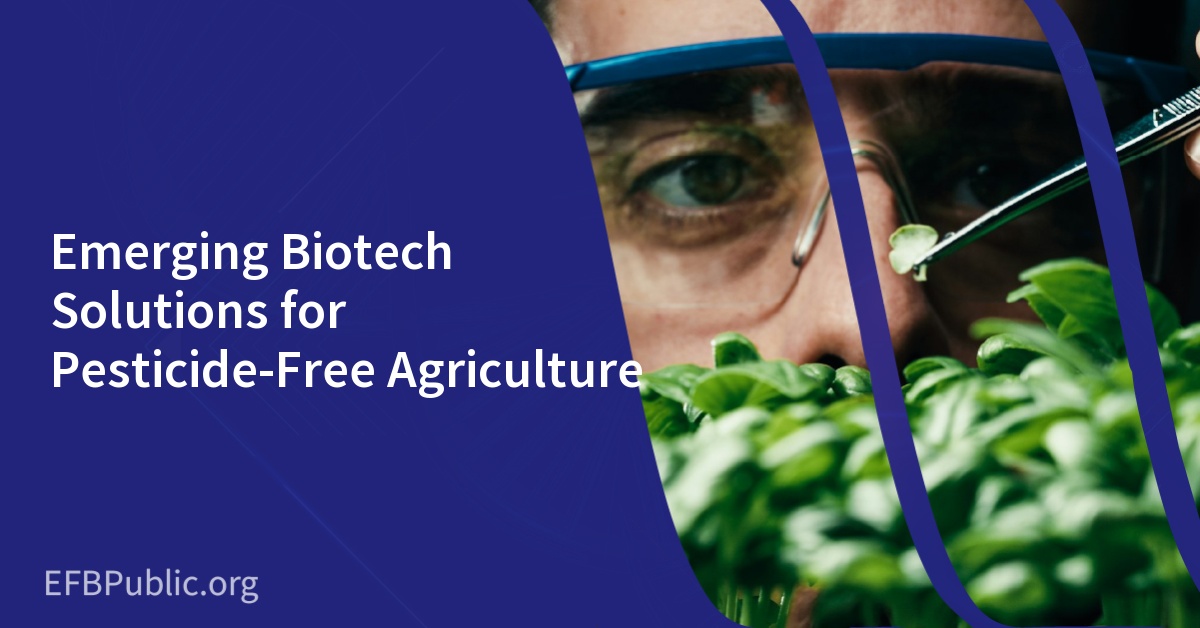
The agricultural industry stands at a pivotal moment. As environmental concerns about chemical pesticides intensify and global food security challenges grow, biotechnology emerges as a transformative solution that could reshape how we approach farming. This shift represents more than just new tools—it’s about creating sustainable systems that work with nature rather than against it.
Agricultural biotechnology combines cutting-edge science with practical farming solutions, offering pathways to maintain productivity while reducing environmental impact.
From precision gene editing to natural pest control methods, these innovations are creating opportunities for farmers to embrace more sustainable practices without compromising their livelihoods.
The Evolution of Modern Agricultural Biotechnology
Agricultural biotechnology has evolved far beyond traditional farming methods. This transformation encompasses multiple scientific disciplines working together to create more resilient and sustainable agricultural systems.
Genetic Engineering and Precision Agriculture
Modern genetic engineering techniques offer unprecedented precision in crop development. CRISPR-Cas9 technology enables researchers to make targeted modifications that enhance crop resistance to various environmental stresses.
Gene silencing techniques provide another avenue for crop improvement, allowing scientists to turn off specific genes that make plants vulnerable to diseases or pests. These approaches represent significant advancements over traditional breeding methods.
Key developments in this area include:
• CRISPR-Cas9 technology for targeted genetic modifications
• Gene silencing techniques to reduce plant vulnerabilities
• RNA interference technology for molecular-level pest control
• Precision breeding methods for drought-resistant varieties
• Enhanced nutritional content development while maintaining yields
Natural Alternatives to Synthetic Chemicals
The biotechnology sector is pioneering biological alternatives that work harmoniously with natural ecosystems. These solutions offer effective pest and disease management while supporting biodiversity.
Biopesticides derived from naturally occurring microorganisms provide targeted pest control without the environmental persistence of synthetic chemicals. Similarly, biofertilizers containing beneficial bacteria and fungi improve soil health and nutrient uptake.
Natural solutions being developed include:
• Biopesticides from naturally occurring microorganisms
• Biofertilizers with beneficial bacteria and fungi
• Microbial preparations that enhance plant immunity
• Probiotic treatments for improved disease resistance
• Biocontrol agents using natural predator-prey relationships
Industry Innovation and Research Leadership
Several major agricultural technology companies are investing heavily in biotechnology research, though specific market share figures would require verification from current industry reports. These organizations are focusing their efforts on developing practical solutions for sustainable farming.
Corporate Research Initiatives
Industry research efforts are concentrated on several key areas that show promise for transforming agricultural practices. Gene editing platforms for climate-resilient crops represent a significant focus area, along with natural pesticide alternatives derived from biological sources.
Many companies are forming partnerships with research institutions to accelerate the development and commercialization of biotechnology solutions. These collaborations combine academic research capabilities with industry resources and market knowledge.
Implementing Pesticide-Free Agricultural Systems
The transition toward pesticide-free agriculture requires comprehensive support systems for farmers. European countries have been leading this transition, implementing programs that provide both financial incentives and technical guidance.
Economic and Regulatory Support
Financial incentive programs help offset potential yield reductions during transition periods. Quality certification systems provide market recognition for sustainably produced crops, often commanding premium prices.
Regulatory frameworks are evolving to establish clear standards for biotechnology-based farming practices. These guidelines help ensure both safety and effectiveness while providing farmers with clear pathways for adoption.
Sustainable Farming Through Biotechnology Integration
Modern sustainable farming increasingly relies on integrated approaches that combine multiple biotechnology innovations. These systems support both productivity and environmental health through sophisticated management strategies.
Integrated Pest Management Systems
Biotechnology enables advanced approaches to pest management that go beyond simple chemical applications. These systems use genetic modifications to enhance natural plant defense mechanisms while preserving beneficial insect populations.
Biological control agents target specific pest species while maintaining ecosystem balance. This precision approach reduces the need for broad-spectrum treatments that can harm non-target organisms.
Digital Agriculture and Precision Farming
The integration of digital technologies with biotechnology creates new possibilities for optimized farming. Sensor networks provide real-time monitoring of crop conditions and environmental factors.
Machine learning algorithms analyze data to predict optimal timing for various farming activities. These tools help farmers make informed decisions about resource allocation and treatment applications.
Advanced farming technologies include:
• Sensor networks for real-time crop monitoring
• Machine learning for predictive analytics
• Precision application systems to reduce waste
• Resource optimization tools for water and nutrients
• Data analytics platforms for informed decision-making
The Path Ahead
Agricultural biotechnology continues evolving rapidly, with emerging technologies promising even more sophisticated approaches to sustainable farming. Studies suggest that the integration of artificial intelligence with biotechnology will create new possibilities for precision agriculture.
Research indicates that biotechnology-based approaches can significantly reduce agriculture’s environmental impact while maintaining food security, though specific statistics would need verification from current research sources.
The combination of biotechnology, digital agriculture, and sustainable farming can transform food production for the benefit of farmers, consumers, and the environment. As these technologies continue developing, they provide pathways toward agricultural systems that are both productive and environmentally responsible.

- Biotech Licensing Deals Explained: Upfront Fees, Milestones, and Royalty Structures - October 19, 2026
- Synthetic Genomics: Building Genomes from Scratch and Why It Matters for Medicine - October 12, 2026
- CE Marking vs FDA 510(k): A Side-by-Side Regulatory Comparison for Medtech Founders - October 5, 2026