

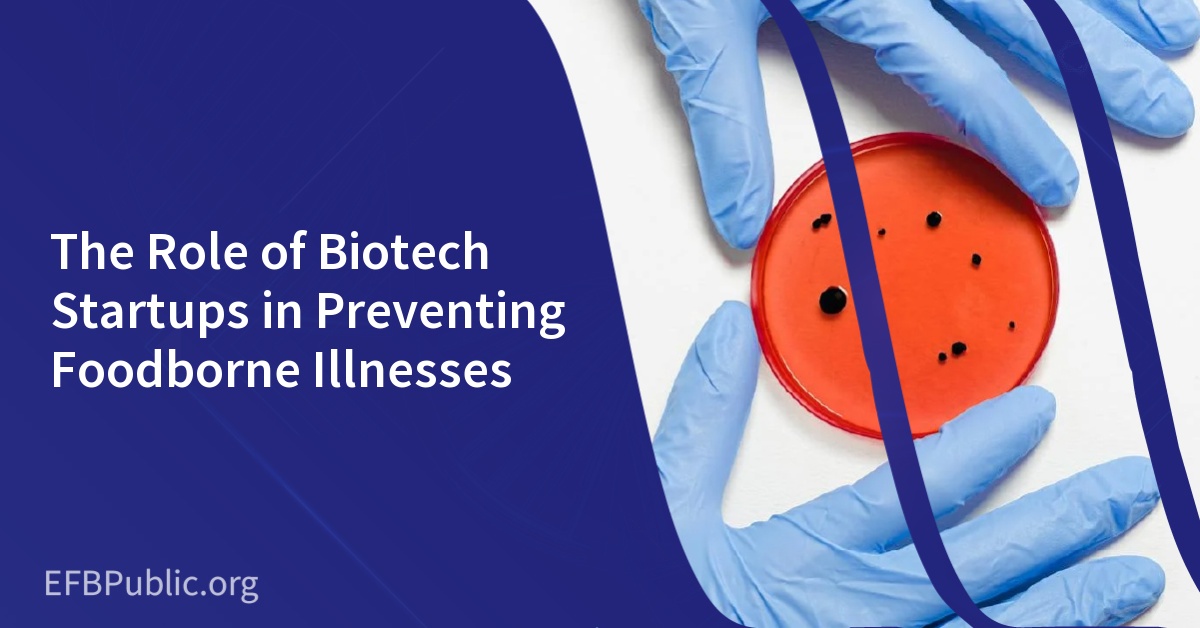
The convergence of biotechnology and food safety represents a transformative frontier in modern science.
Global food systems are facing challenges from population growth, climate change, and pathogens. In response, biotechnology startups are creating innovative solutions to transform food production, monitoring, and safety.
These pioneering companies are harnessing the transformative power of biotechnology to address some of the most pressing challenges in our food supply chain. The biotech sector is making major advancements, using genetic engineering to boost plant defenses and developing systems that detect pathogens in real-time, aiming to improve the security and sustainability of our food systems.
The Critical Need for Enhanced Food Safety Solutions
Understanding the Scale of Foodborne Illness Challenges
Food safety remains a significant public health concern worldwide. Health organizations report that foodborne illnesses affect millions each year, causing mild to severe health issues and significant economic losses.
The complexity of modern food systems has created new vulnerabilities that require innovative approaches to address effectively. Global food trade networks offer year-round access to various products but also allow contamination to spread quickly across borders.
Key factors driving the need for innovative food safety solutions include:
• Increasing global food trade and complex supply chains that span multiple countries
• Rising consumer awareness about food quality and safety standards
• Growing demand for fresh, minimally processed foods that may be more susceptible to contamination
• Climate change affecting pathogen behavior and crop vulnerability patterns
• Need for sustainable alternatives to chemical preservatives and treatments
• Regulatory pressure for more effective monitoring and detection systems
Economic and Public Health Implications
The economic burden of foodborne illness extends far beyond immediate healthcare costs. Studies suggest that food safety incidents can result in substantial financial impacts across multiple sectors.
Healthcare systems incur high costs from foodborne illnesses, and businesses face expenses from recalls, supply chain issues, and damage to their reputation. The ripple effects can impact entire industries and consumer confidence in food systems.
Research indicates that food safety incidents can lead to:
• Substantial healthcare expenses for affected individuals and healthcare systems
• Lost productivity due to illness-related absences from work and school
• Significant costs for food recalls and supply chain disruptions
• Long-term reputational damage to food companies and brands
Revolutionary Biotechnology Approaches in Food Safety
Genetic Engineering for Enhanced Pathogen Resistance
Modern genetic engineering techniques are enabling startups to develop crops with enhanced natural defenses against harmful pathogens. These innovative approaches focus on strengthening plants’ inherent ability to resist disease while reducing reliance on chemical interventions.
Targeted Genetic Modifications
Biotechnology companies are developing precision approaches to enhance crop resistance through targeted genetic modifications. These methods focus on strengthening specific pathways that contribute to plant immunity and pathogen resistance.
Research in this area includes:
• Development of crops with improved resistance to bacterial and fungal pathogens
• Enhancement of natural antimicrobial compounds in food plants
• Strengthening plant immune systems through strategic genetic modifications
Sustainable Agricultural Practices
The integration of genetic engineering with sustainable farming practices represents a significant advancement in agricultural biotechnology. These approaches aim to reduce environmental impact while improving food safety outcomes.
Benefits of these approaches may include:
• Reduction in pesticide and fungicide usage through enhanced plant resistance
• Development of crops adapted to changing environmental conditions
• Integration of biotechnology with regenerative agriculture practices
Advanced Pathogen Detection Technologies
Biotechnology startups are developing increasingly sophisticated methods for rapid pathogen identification and monitoring throughout the food supply chain. These technologies represent significant improvements over traditional detection methods in terms of speed, accuracy, and practical application.
Real-Time Detection Systems
The development of portable diagnostic devices represents a major advancement in food safety monitoring. These systems can provide rapid results in field conditions, enabling faster response to potential contamination issues.
Emerging detection technologies include:
• Development of portable diagnostic devices for use in field conditions
• Integration of biosensors with mobile technology platforms
• Creation of rapid testing protocols that can provide results within hours
Molecular-Level Analysis
Advanced molecular techniques are enabling more precise identification of pathogens and their characteristics. These approaches can provide detailed information about contamination sources and help predict potential risks.
Applications of molecular analysis include:
• Use of DNA sequencing technologies for precise pathogen identification
• Development of testing systems that can detect multiple pathogens simultaneously
• Creation of predictive models based on environmental and genetic factors
Probiotics and Bio-Based Preservation Systems
The development of biological preservation methods represents a significant advancement in food safety technology, offering alternatives to traditional chemical preservatives. These approaches utilize beneficial microorganisms and natural compounds to enhance food safety.
Beneficial Microorganism Applications
Research into probiotic applications for food safety has shown promising results in laboratory and pilot studies. These approaches focus on using beneficial bacteria to create protective environments that inhibit harmful pathogen growth.
Potential applications include:
• Development of probiotic cultures that may help combat harmful pathogens
• Creation of protective barriers on food surfaces using beneficial microorganisms
• Design of fermentation processes that enhance both safety and nutritional value
Natural Preservation Compounds
Scientists are exploring various natural compounds that may offer preservation benefits while maintaining food quality and safety. These approaches focus on identifying and optimizing naturally occurring antimicrobial substances.
Areas of research include:
• Extraction and optimization of antimicrobial compounds from natural sources
• Development of plant-based preservation systems
• Creation of edible coatings with potential antimicrobial properties
Emerging Technologies and Future Applications
Precision Agriculture and Food Safety Integration
Biotechnology startups are developing integrated systems that address food safety concerns from farm to table. These comprehensive approaches combine multiple technologies to create more robust food safety networks.
Emerging integration approaches include:
• Implementation of sensor networks for real-time crop monitoring
• Development of precision application systems for biological treatments
• Creation of data analytics platforms for predictive food safety management
Regulatory Landscape and Industry Adoption
Biotechnology startups in the food safety sector must navigate complex regulatory frameworks that vary by region and application. Understanding these requirements is essential for successful product development and market entry.
Regulatory considerations include:
• Understanding requirements from multiple regulatory agencies
• Developing comprehensive safety and efficacy data for new technologies
• Engaging with regulatory bodies early in the development process
Industry Partnerships and Implementation
Successful implementation of biotechnology solutions requires collaboration across the food industry. Partnerships between startups and established companies can help accelerate technology adoption and market penetration.
Collaboration strategies include:
• Formation of partnerships between startups and established food companies
• Development of pilot programs to demonstrate technology effectiveness
• Creation of industry standards for new biotechnology applications
Looking Forward
The biotechnology sector’s approach to food safety continues to evolve rapidly, with emerging trends suggesting significant potential for transformation. Research indicates that the convergence of biotechnology, data analytics, and sustainable practices will continue driving innovation in food safety.
These technologies, once approved, could greatly improve the safety and sustainability of our global food system. The pioneering work of biotechnology startups represents a crucial step toward addressing some of the most pressing challenges in modern food production and distribution.
Innovative and responsible technology development can lead to a safer, sustainable food future for communities globally. The transformative power of biotechnology in food safety applications demonstrates the potential for scientific advancement to address real-world challenges in meaningful ways.

- Biotech Licensing Deals Explained: Upfront Fees, Milestones, and Royalty Structures - October 19, 2026
- Synthetic Genomics: Building Genomes from Scratch and Why It Matters for Medicine - October 12, 2026
- CE Marking vs FDA 510(k): A Side-by-Side Regulatory Comparison for Medtech Founders - October 5, 2026