

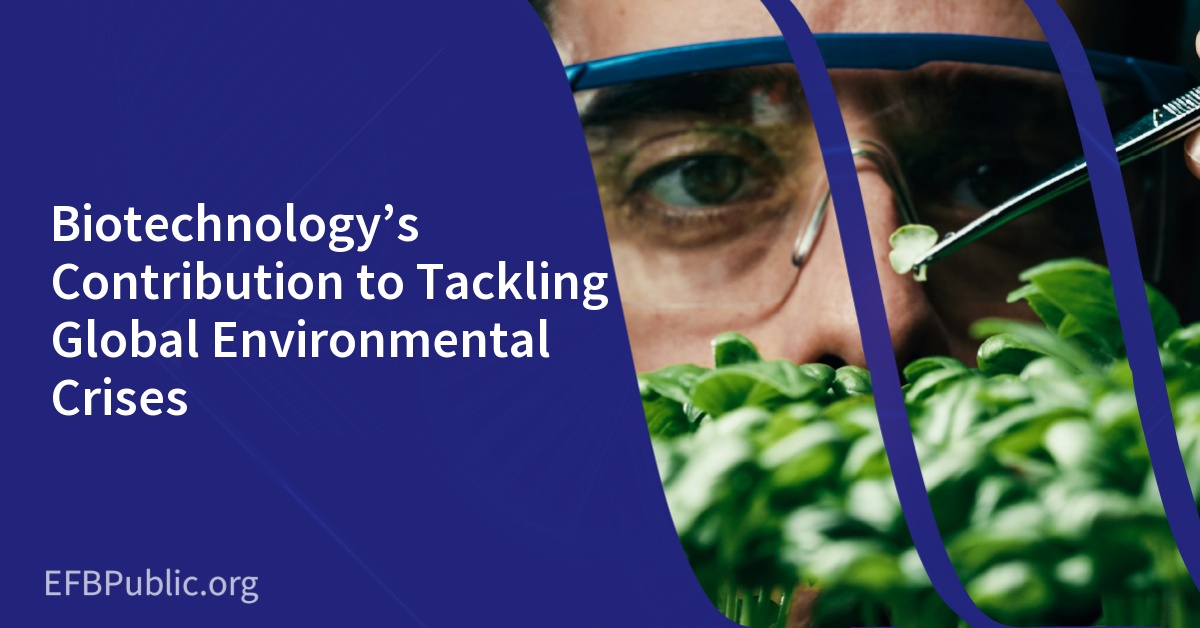
Biotechnology is key in solving global environmental problems like climate change and biodiversity loss. It uses agricultural biotechnology to help society goals like reducing poverty and ensuring food security. This approach also aims to lessen environmental harm.
The biotech field can help cut down carbon dioxide in the air by 2030. This is like cutting the United States’ yearly emissions in half. Advances in biotechnology, like gene editing and synthetic biology, are creating green solutions.
These include new biofuels, materials, and crops that can handle climate change. Biotechnology also helps in cleaning up pollution and capturing carbon. It’s a crucial tool for a greener planet and a sustainable future.
Agricultural Biotechnology’s Role in Mitigating Climate Change
Agricultural biotechnology is key in fighting climate change. It helps reduce greenhouse gas emissions and makes farming more resilient. It also makes food systems more sustainable.
The farming and forestry sectors are big contributors to emissions. This shows how crucial sustainable farming is in lowering these emissions.
Reducing Greenhouse Gas Emissions
Innovative biotech solutions are at the heart of cutting greenhouse gas emissions. Cover crops that make biofuels and genetically engineered fruits and veggies that last longer are vital. They help a lot.
Also, making trees and microorganisms better at absorbing carbon is important. This offers many ways to fight environmental stressors.
Developing Climate-Resilient Crops and Livestock
Creating crops like improved wheat, rice, and soybean is crucial for a climate-resilient farm. Biotechnology also helps breed heat-tolerant livestock, like certain cattle breeds. These steps help farming stay productive even when the weather changes.
Improving Food Security and Sustainability
Biotechnology is key to making food systems better and more sustainable. By using climate-resilient crops and livestock, farming can meet food needs while protecting the environment. This not only helps food systems but also fights poverty and promotes healthy diets worldwide.
Environmental Biotechnology for Pollution Control and Bioremediation
Environmental biotechnology brings new hope for cleaning up pollution and restoring our environment. It uses advanced methods and tools to do this. Genetically engineered microorganisms can break down pollutants quickly and efficiently.
Techniques like bioaugmentation and biostimulation speed up this process. Genetic sequencing helps find the right genes for these microorganisms. This makes them better at cleaning up pollutants.
Bioremediation Techniques
Bioremediation methods, like bioaugmentation and biostimulation, help break down pollutants faster. By improving microorganisms through genetic sequencing, we can target pollutants more effectively. This makes these methods very good for cleaning up our environment.
Tools like CRISPR technology and retron-library recombineering make these methods even more precise and efficient. This is key for restoring our ecosystems.
Biosensors for Environmental Monitoring
Biosensors are becoming more popular for monitoring the environment. They use biological molecules to detect pollutants quickly and easily. This makes them a great choice for frequent and accurate sampling.
They help us track environmental health threats like invasive species and pollutant levels. This information is crucial for keeping our ecosystems safe.
Advanced Biotechnological Tools
Biotechnology is also making a big impact in environmental stewardship. Tools like genetic sequencing, CRISPR technology, and synthetic biology are key. They help us understand and tackle environmental challenges.
Initiatives like the CLIMB Center aim to make the U.S. a leader in biotechnology and environmental governance. They focus on using these technologies to address climate and environmental justice issues.

- Biotech Licensing Deals Explained: Upfront Fees, Milestones, and Royalty Structures - October 19, 2026
- Synthetic Genomics: Building Genomes from Scratch and Why It Matters for Medicine - October 12, 2026
- CE Marking vs FDA 510(k): A Side-by-Side Regulatory Comparison for Medtech Founders - October 5, 2026