

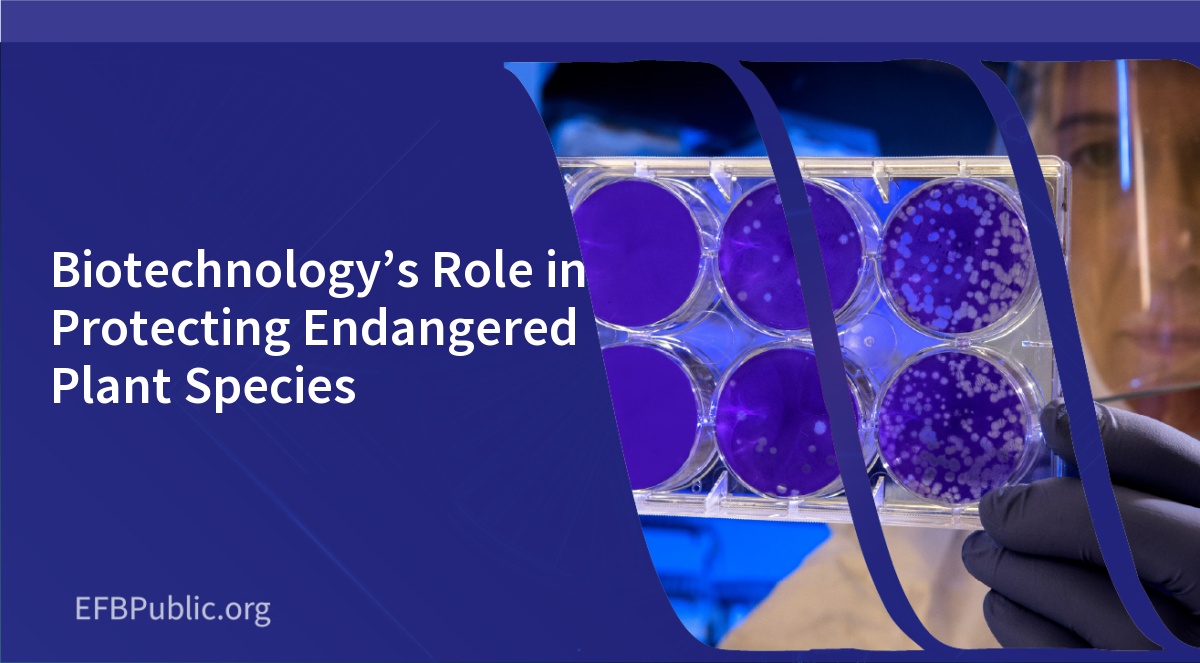
Plant biodiversity faces unprecedented pressures from habitat loss, climate disruption, and human activity. As ecosystems shift and natural habitats shrink, conservation efforts increasingly rely on biotechnological innovations to preserve genetic diversity and prevent species extinction.
These scientific approaches offer powerful tools for protecting plant life that traditional conservation methods alone cannot achieve.
Biotechnology provides researchers and conservationists with precise methods to propagate, preserve, and restore endangered plant populations. From laboratory-based propagation techniques to ultra-cold storage of genetic material, these technologies create safety nets for species on the brink of disappearing.
The integration of biological sciences with conservation strategy represents a transformative approach to preserving our planet’s botanical heritage.
The Role of Biotechnology in Plant Conservation
Conservation biotechnology encompasses a range of techniques designed to protect and restore plant genetic resources. These methods allow scientists to work with plant material at the cellular and molecular level, creating opportunities that would be impossible through conventional horticultural approaches alone.
Understanding Conservation Biotechnology
Conservation biotechnology applies biological processes and technologies to preserve endangered species and maintain genetic diversity. This field draws on multiple scientific disciplines to address conservation challenges:
- In vitro culture techniques enable researchers to grow plants from small tissue samples in controlled laboratory environments, producing genetically identical copies without disturbing wild populations
- Genetic resource preservation through specialized storage methods ensures that plant genetic material remains viable for decades or even centuries
- Molecular analysis tools help scientists understand genetic diversity within endangered populations and make informed decisions about conservation priorities
The field has evolved significantly as researchers develop more sophisticated methods for working with plant material. These advances allow conservationists to maintain genetic diversity even when wild populations become critically small.
Why Plant Conservation Matters
Plant species provide essential ecosystem services, from oxygen production to soil stabilization. Many plants also hold potential for future medical discoveries, agricultural improvements, and industrial applications. When species disappear, we lose not only the plants themselves but also the unique genetic information they carry.
Research suggests that habitat destruction and climate change continue to threaten plant populations worldwide. Conservation biotechnology offers strategies to protect species while scientists and policymakers work on broader habitat protection and restoration efforts.
Innovative Biotechnological Approaches
In Vitro Propagation Methods
In vitro propagation allows researchers to multiply plants rapidly in sterile laboratory conditions. This technique proves particularly valuable for species that reproduce slowly in nature or have specific environmental requirements that make traditional cultivation challenging.
The process involves taking small tissue samples from parent plants and culturing them on specialized growth media. Under controlled conditions, these tissues develop into complete plants:
- Micropropagation produces numerous plantlets from a single tissue sample, enabling rapid multiplication of rare species without harvesting additional material from wild populations
- Indirect organogenesis stimulates the formation of new shoots and roots from cultured tissue, providing another pathway for plant regeneration
- Somatic embryogenesis creates embryo-like structures from non-reproductive tissue, offering an efficient method for mass propagation of certain species
These techniques allow conservation programs to establish backup populations and support reintroduction efforts without placing additional pressure on wild populations.
Cryopreservation for Long-Term Storage
Cryopreservation involves storing plant material at extremely low temperatures, typically in liquid nitrogen at approximately -196°C. At these temperatures, biological processes essentially stop, allowing genetic material to remain viable indefinitely.
This approach offers significant advantages for conservation:
- Plant material requires minimal physical space and maintenance once properly stored
- Genetic resources remain protected from disease, pests, and environmental disasters that could affect living collections
- Scientists can preserve material from multiple individuals within a species, maintaining genetic diversity for future use
Different plant tissues respond differently to cryopreservation protocols. Researchers have successfully preserved pollen, seeds, embryos, and shoot tips from various species, though each requires specific preparation procedures to ensure survival.
Synthetic Seed Technology
Synthetic seeds represent an innovative approach for species with seeds that cannot withstand conventional storage methods. These artificial seeds encapsulate somatic embryos or other plant tissues in protective coatings that mimic natural seed structures.
The technology addresses specific conservation challenges:
- Species with recalcitrant seeds that lose viability quickly can be preserved using synthetic seed methods
- Encapsulated tissues can be stored under less extreme conditions than cryopreservation requires
- The protective coating provides nutrients and growth regulators that support germination when conditions become favorable
While synthetic seed technology continues to develop, it shows promise for expanding conservation options, particularly for tropical and subtropical species with challenging seed storage requirements.
Plasma Treatment Applications
Plasma treatment represents an emerging area in conservation biotechnology. Research indicates that exposing seeds to cold plasma may enhance germination rates and seedling vigor in some species.
The treatment appears to work by modifying seed surface properties and potentially affecting dormancy mechanisms. Studies suggest this approach might help with species that show poor germination rates, though the specific mechanisms and optimal applications continue to be investigated.
Ex Situ Conservation Strategies
Ex situ conservation involves maintaining species outside their natural habitats, providing insurance against extinction while in situ conservation efforts continue. Biotechnology enhances these strategies by enabling long-term preservation and efficient propagation.
Slow Growth Storage Methods
Slow growth storage maintains plant cultures under conditions that minimize growth while keeping tissues alive. By adjusting factors such as temperature, light, and nutrient availability, researchers can extend the time between subculture transfers:
- Reduced maintenance requirements make it practical to maintain larger collections
- Lower growth rates decrease the risk of genetic changes that can occur during repeated subculturing
- Different species require customized protocols based on their specific growth characteristics and environmental requirements
This approach works well for medium-term storage, bridging the gap between active growing collections and long-term cryopreservation.
Integration with Traditional Conservation
Biotechnological methods complement rather than replace traditional conservation approaches. Living botanical gardens, seed banks, and field gene banks work alongside biotechnology-based preservation:
- Botanical gardens maintain living collections that serve educational purposes while preserving genetic material
- Seed banks provide cost-effective storage for species with orthodox seeds
- Biotechnological methods offer solutions for species that cannot be preserved through conventional seed banking
The most effective conservation strategies typically combine multiple approaches, using the strengths of each method to create comprehensive protection for endangered species.
Practical Applications and Outcomes
Conservation biotechnology has contributed to preservation efforts for numerous plant species. Programs around the world use these techniques to maintain genetic diversity and support reintroduction initiatives.
Supporting Reintroduction Programs
Plants propagated through biotechnological methods can support efforts to restore wild populations:
- Laboratory-propagated plants provide material for reintroduction without depleting remaining wild populations
- Genetic analysis ensures that reintroduced plants represent the genetic diversity of the original population
- Controlled propagation allows researchers to produce plants in quantities sufficient for meaningful restoration efforts
Success in reintroduction depends on many factors beyond propagation, including habitat quality and ongoing management, but biotechnology provides essential tools for generating plant material.
Maintaining Genetic Diversity
Preserving genetic diversity within species ensures that populations retain the variation needed to adapt to changing conditions. Biotechnological approaches support this goal:
- Cryopreserved collections can maintain material from many individuals within a species
- In vitro collections allow researchers to preserve genotypes that might otherwise be lost
- Molecular tools help scientists assess and monitor genetic diversity in both wild and conserved populations
The Path Ahead
Biotechnology continues to evolve, offering new possibilities for plant conservation. As techniques become more refined and accessible, conservation programs worldwide can implement these tools more effectively.
The integration of biotechnology with traditional conservation methods creates a more robust approach to protecting plant diversity. While habitat protection remains fundamental to conservation, biotechnological tools provide critical backup systems and enable work with species that would otherwise be extremely difficult to preserve.
Continued research will likely yield improved preservation methods and more efficient propagation techniques. The combination of advancing technology and growing conservation awareness offers hope for protecting plant species that face mounting environmental pressures.

- Biotech Licensing Deals Explained: Upfront Fees, Milestones, and Royalty Structures - October 19, 2026
- Synthetic Genomics: Building Genomes from Scratch and Why It Matters for Medicine - October 12, 2026
- CE Marking vs FDA 510(k): A Side-by-Side Regulatory Comparison for Medtech Founders - October 5, 2026