

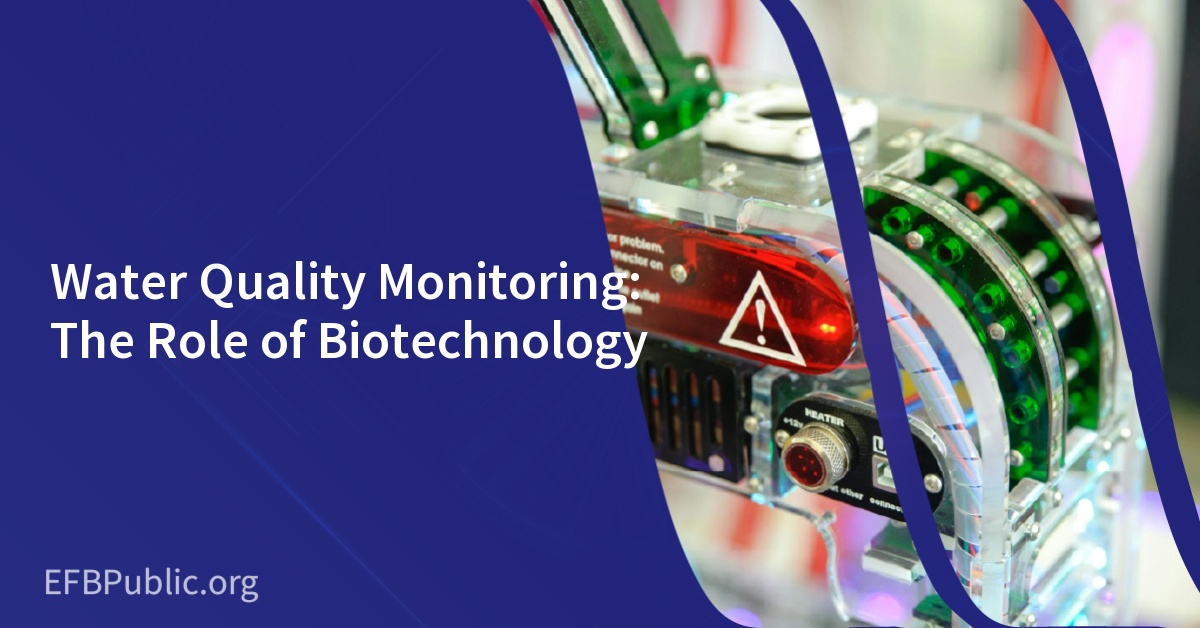
Water quality management stands at the forefront of environmental protection and public health initiatives worldwide. As global water challenges intensify, biotechnology emerges as a transformative solution that combines scientific precision with practical environmental stewardship.
The integration of biotechnological innovations into water monitoring systems represents a significant advancement in our ability to protect both human health and ecosystem integrity.
These cutting-edge approaches offer unprecedented accuracy in detecting contaminants while providing sustainable treatment solutions.
The Critical Foundation of Water Quality Management
Understanding the Health and Environmental Imperative
Water quality monitoring serves as the cornerstone for maintaining safe drinking water systems and protecting ecosystem health. Research suggests that effective monitoring programs can significantly reduce waterborne disease outbreaks and prevent environmental degradation.
The fundamental importance of comprehensive water quality management includes several key areas:
• Early detection of contamination events before they impact public health systems
• Protection of aquatic ecosystems from agricultural and industrial pollutants
• Compliance with regulatory standards established by environmental protection agencies
• Prevention of long-term environmental damage through proactive intervention strategies
• Support for sustainable water resource management across diverse geographic regions
Addressing Agricultural and Industrial Challenges
Agricultural runoff represents a significant contributor to water pollution, introducing fertilizers, pesticides, and other chemicals into water systems. Studies indicate that targeted monitoring programs can help identify pollution sources and implement effective mitigation strategies.
Industrial sectors face increasing regulatory pressure to manage wastewater effectively:
• Manufacturing facilities must comply with stringent discharge regulations and standards
• Automotive and chemical industries require specialized treatment approaches for complex waste streams
• Regular monitoring helps prevent regulatory violations and associated financial penalties
• Proactive management reduces long-term environmental liability and operational costs
Biotechnological Advances Transforming Water Monitoring
Revolutionary Cellular-Based Biosensor Technologies
Biotechnology has introduced groundbreaking biosensor technologies that offer enhanced accuracy in contaminant detection. The bioelectric recognition assay (BERA) represents a significant advancement in this field, utilizing living cells to identify and quantify water pollutants with remarkable precision.
These innovative cellular-based biosensors provide numerous advantages over traditional monitoring methods:
• Real-time detection capabilities enable immediate response to contamination events
• High sensitivity to trace contaminants that conventional methods might overlook
• Specificity that reduces false positives and improves overall detection accuracy
• Biomimetic responses that mirror natural biological reactions to environmental pollutants
Integration of Artificial Intelligence Systems
The application of artificial intelligence in water quality monitoring has created new possibilities for predictive analysis and automated response systems. Neural network modeling enables more sophisticated interpretation of complex monitoring data patterns.
AI applications in water quality management encompass several innovative approaches:
• Pattern recognition capabilities for identifying pollution trends and contamination sources
• Predictive modeling systems to anticipate water quality changes before they occur
• Automated alert systems that enable rapid response to contamination events
Biotechnology Applications in Water Treatment Solutions
Harnessing Bioremediation Technologies
Bioremediation harnesses natural biological processes to remove or neutralize contaminants from water systems. This approach offers environmentally sustainable alternatives to traditional chemical treatment methods, supporting both ecological health and economic efficiency.
Effective bioremediation strategies encompass various approaches:
• Microbial degradation of organic pollutants using specialized bacterial communities
• Phytoremediation techniques employing plants to extract heavy metals and toxins from water
• Constructed wetlands that naturally filter contaminants through biological processes
Sustainable Biofuel Production Integration
Biotechnology enables the conversion of water treatment byproducts into valuable biofuels, creating circular economy solutions that address both waste management and renewable energy needs. This integration demonstrates biotechnology’s potential to transform environmental challenges into economic opportunities.
The benefits of integrated water treatment and biofuel production include resource recovery from wastewater streams and reduced environmental impact through waste-to-energy conversion processes.
The Path Ahead: Emerging Trends and Future Perspectives
Advanced Monitoring Technologies on the Horizon
The biotechnology sector continues developing more sophisticated monitoring tools that promise enhanced accuracy and broader application ranges. Research indicates that next-generation biosensors will offer improved sensitivity and faster response times for various environmental applications.
This trajectory toward greater precision and adaptability in biotechnology monitoring does not exist in isolation — it reflects a broader movement across industries toward more intelligent, integrated oversight systems. The principles driving innovation in biotech sensing align closely with cutting-edge monitoring solutions elevating oversight across scientific and industrial domains, where real-time data acquisition, automated alerting, and system-wide connectivity are rapidly becoming standard expectations. Understanding how these cross-sector advances inform biotechnology-specific tooling provides essential context before examining the nanotechnology-enhanced sensors and wireless network architectures that represent some of the field’s most compelling near-term developments.
Promising developments in biotechnology-based water monitoring include nanotechnology-enhanced sensors for ultra-low detection limits and wireless sensor networks for remote monitoring capabilities in challenging environments.
Implementation and Regulatory Considerations
As biotechnology solutions mature, regulatory frameworks are evolving to accommodate these innovative approaches while ensuring safety and effectiveness. The standardization of biotechnology-based monitoring protocols represents a crucial step toward widespread adoption.
Key considerations for successful implementation include training programs for personnel operating advanced monitoring systems and cost-benefit analysis for biotechnology adoption across different industrial sectors.
The integration of biotechnology into water quality monitoring and treatment represents a paradigm shift toward more sustainable, efficient, and effective environmental protection. These innovations demonstrate biotechnology’s transformative potential to address critical global challenges while supporting both economic development and environmental stewardship.
Through continued advancement in biosensor technology, artificial intelligence integration, and bioremediation approaches, biotechnology positions itself as an essential tool for ensuring water security and environmental health for future generations.

- Biotech Licensing Deals Explained: Upfront Fees, Milestones, and Royalty Structures - October 19, 2026
- Synthetic Genomics: Building Genomes from Scratch and Why It Matters for Medicine - October 12, 2026
- CE Marking vs FDA 510(k): A Side-by-Side Regulatory Comparison for Medtech Founders - October 5, 2026