

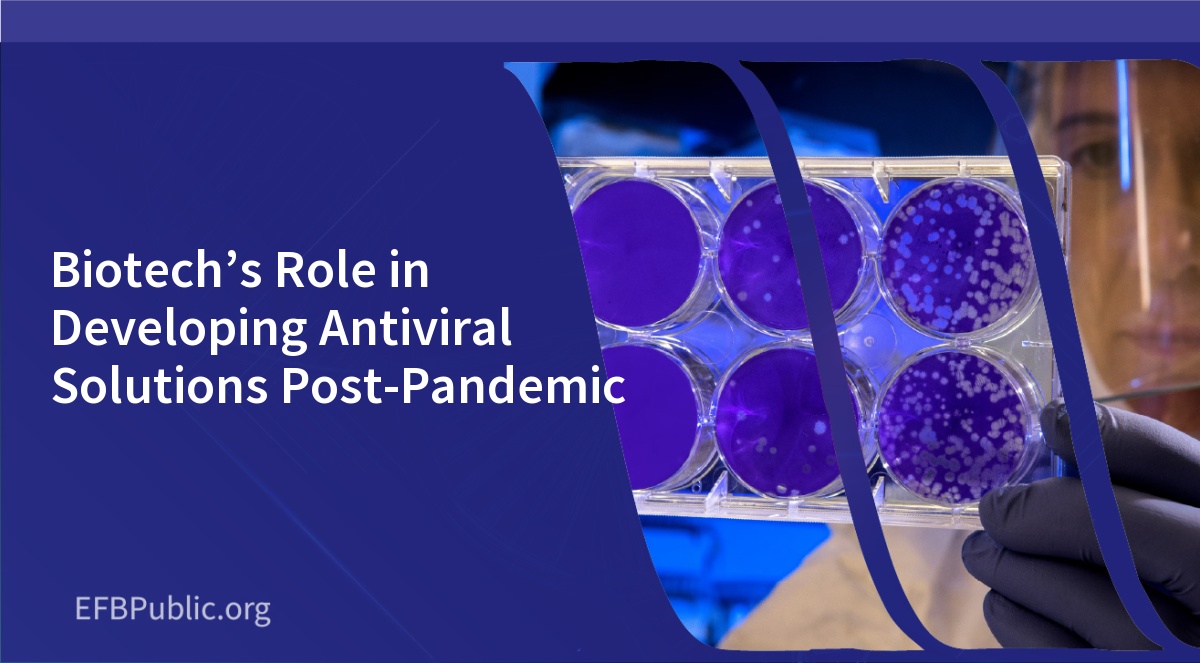
The global health crisis in 2020 highlighted biotechnology’s incredible ability to tackle significant challenges.
This period showed how teamwork in research, new drug discovery techniques, and creative therapies can produce life-saving treatments quickly.
The swift advancement of antiviral treatments during this crisis showed how powerful biotechnology can be when scientists work together for a common goal.
The Biotechnology Revolution in Drug Development
Unprecedented Collaboration Networks
The pandemic catalyzed a revolutionary shift in how scientific research operates, breaking down traditional barriers between institutions and creating new models of collaboration.
• Academic institutions formed strategic partnerships with pharmaceutical companies, sharing resources and expertise
• Regulatory agencies implemented emergency protocols to accelerate therapeutic review processes
• Scientists established real-time data sharing platforms across global research networks
• Computer-aided drug design technologies enabled rapid optimization of therapeutic candidates
• International cooperation facilitated coordinated responses across different geographic regions
Accelerated Discovery Methods
Traditional drug development timelines were dramatically compressed through innovative approaches and technologies that had been developing over previous decades.
• Advanced screening technologies enabled rapid identification of promising therapeutic compounds
• Structure-based drug design allowed researchers to target specific viral proteins with precision
• Repurposing strategies leveraged existing pharmaceutical research to address new challenges
• Artificial intelligence applications assisted in predicting drug interactions and efficacy
• High-throughput screening methods processed thousands of potential compounds efficiently
Breakthrough Therapeutic Developments
Notable Success Stories
Several antiviral therapeutics emerged as significant achievements during this period, demonstrating the effectiveness of focused biotechnological innovation.
Nirmatrelvir: Protease Inhibitor Innovation
Developed through structure-based drug design, this therapeutic targets specific viral enzymes essential for replication. The development process showcased how medicinal chemistry principles could be rapidly applied to address urgent health needs.
Molnupiravir: Novel Mechanism Approach
This therapeutic utilizes a mechanism targeting viral RNA replication, representing innovative approaches to antiviral design. The development demonstrated the value of exploring diverse therapeutic mechanisms beyond traditional approaches.
Remdesivir: Strategic Repurposing
Originally developed for other viral infections, this therapeutic was successfully adapted for pandemic use. It became one of the first approved treatments and illustrated how existing research investments could provide rapid responses to health emergencies.
Targeting Strategies: Two Primary Approaches
Biotechnology researchers have explored distinct approaches to antiviral development, each offering unique advantages and presenting specific challenges.
Direct Viral Targeting
• Focuses on disrupting specific viral proteins essential for replication
• Enables precise intervention in viral life cycles based on detailed structural knowledge
• Allows for targeted therapeutic design using viral biology understanding
• Requires comprehensive knowledge of viral protein function and structure
Host-Directed Therapeutic Approaches
• Targets cellular pathways that viruses require for successful replication
• Potentially offers broader spectrum activity against multiple viral families
• May provide reduced likelihood of resistance development compared to viral-specific targets
• Requires careful balance to avoid disrupting normal cellular functions
Advantages of Host-Directed Strategies
Host-directed antivirals represent a pioneering approach with several potential benefits that align with biotechnology’s innovative capabilities.
• Broad-spectrum potential against multiple viral families and strains
• Reduced susceptibility to viral resistance mechanisms that affect viral-targeted therapies
• Ability to leverage existing knowledge of cellular pathways and processes
Development Challenges and Considerations
Scientific and Practical Complexities
Despite remarkable successes achieved during the pandemic, antiviral development continues to present significant challenges that the biotechnology community must address.
The complexity of achieving therapeutic specificity while minimizing effects on normal cellular processes remains a fundamental challenge. Researchers must carefully balance therapeutic efficacy with safety considerations across diverse patient populations.
The transition from laboratory research to clinical application presents ongoing difficulties, particularly when viral biology intersects with essential host cell functions. Manufacturing and distribution challenges for global health emergencies add additional layers of complexity.
Ethical Considerations in Rapid Development
The accelerated development of pandemic therapeutics highlighted important ethical considerations that biotechnology companies and researchers must carefully navigate.
Ensuring equitable access to life-saving therapeutics across different populations became a critical concern. The balance between speed of development and rigorous safety evaluation required careful consideration of risk-benefit ratios.
Managing intellectual property considerations during global health emergencies raised questions about accessibility and affordability. Maintaining transparency in research and development processes while protecting competitive advantages presented ongoing challenges.
The Path Ahead: Future Biotechnology Applications
Building Resilient Research Infrastructure
The pandemic experience revealed biotechnology’s transformative potential when supported by robust research infrastructure and collaborative networks.
Investment in platform technologies that can rapidly adapt to new threats represents a strategic priority. Development of predictive models for identifying potential pandemic pathogens could enhance preparedness efforts.
Creation of sustainable partnerships between academic and industry researchers will support ongoing innovation. Establishment of rapid response protocols for future health emergencies can build on lessons learned during this period.
Emerging Technologies and Innovation
Biotechnology continues to evolve, with emerging approaches offering exciting possibilities for future antiviral development and broader therapeutic applications.
Advanced computational modeling shows promise for predicting viral behavior and drug interactions with greater accuracy. Novel delivery systems could improve therapeutic efficacy and patient compliance across diverse treatment scenarios.
Personalized medicine approaches may optimize treatment based on individual patient characteristics and genetic profiles. Combination therapies targeting multiple aspects of viral infection simultaneously represent another frontier for development.
The biotechnology industry’s response to the global health crisis showed the amazing potential of scientific innovation fueled by collaboration and urgency. Through continued investment in research infrastructure, ethical innovation practices, and collaborative partnerships, biotechnology will continue playing a crucial role in protecting global health.
The lessons from this unique period of innovation will shape biotechnology’s strategies for pandemic preparedness and address broader health and environmental issues.
The transformative power of biotechnology, when harnessed through responsible innovation and collaborative research, offers hope for addressing humanity’s most pressing challenges.

- Biotech Licensing Deals Explained: Upfront Fees, Milestones, and Royalty Structures - October 19, 2026
- Synthetic Genomics: Building Genomes from Scratch and Why It Matters for Medicine - October 12, 2026
- CE Marking vs FDA 510(k): A Side-by-Side Regulatory Comparison for Medtech Founders - October 5, 2026