


A new model is emerging in biotechnology that promises to transform how scientific breakthroughs become commercial realities.
Biotech venture studios represent a paradigm shift in life sciences innovation, offering a unique approach that goes beyond traditional funding mechanisms. These specialized entities combine capital, expertise, and operational support to accelerate the journey from laboratory discovery to market-ready solutions.

What Are Biotech Venture Studios?
Biotech venture studios are specialised innovation hubs that help identify promising scientific discoveries and transform them into viable companies. Unlike traditional venture capital firms that primarily provide funding, these studios take a hands-on approach to company building.
They assemble multidisciplinary teams, provide laboratory infrastructure, and offer strategic guidance throughout the development process.
At their core, biotech venture studios function as company creation engines. They combine scientific expertise, business acumen, and capital resources under one roof. This integrated approach allows them to navigate the complex challenges of life sciences commercialisation more effectively than traditional models.
The venture studio model addresses a critical gap in the biotech ecosystem.
Many groundbreaking scientific discoveries never reach their commercial potential due to the significant challenges of translating research into viable products. Biotech venture studios bridge this gap by providing the necessary resources and expertise to overcome these hurdles.
Across the Atlantic, a parallel ecosystem has taken shape to address the same translational bottleneck. Biotech incubators operating across Europe have emerged as structured environments where early-stage life science ventures gain access to shared laboratory infrastructure, mentorship networks, and regulatory guidance — assets that individual spinouts rarely possess on their own. These institutions serve a function closely aligned with that of venture studios: converting high-potential academic science into investor-ready, commercially viable companies before the structural challenges of the development pipeline consume momentum entirely.
Why Biotech Venture Studios Matter
The traditional path from scientific discovery to commercial product in biotechnology is fraught with challenges. High capital requirements, regulatory complexities, and lengthy development timelines create significant barriers to entry. Biotech venture studios offer a compelling alternative that addresses these pain points.
To understand why venture studios have gained traction in the biotech space, it helps to first examine the limitations of conventional funding models. The dynamics of venture capital investment in biotech startups reveal a structural tension: traditional VC firms are optimized for capital allocation and portfolio returns, not for the day-to-day scientific and operational scaffolding that early-stage life sciences companies desperately need. This gap between financial backing and hands-on expertise is precisely where many promising biotech ventures stall before they ever reach clinical or commercial viability.
Beyond Traditional VC
Unlike traditional VCs that primarily provide capital and periodic guidance, venture studios embed themselves in the company-building process. They contribute operational expertise, scientific knowledge, and day-to-day management support.
Multidisciplinary Teams
Biotech venture studios assemble teams with complementary skills across scientific disciplines, business development, regulatory affairs, and intellectual property management. This multidisciplinary approach ensures all critical aspects of company building are addressed.
By providing shared laboratory space, equipment, and business infrastructure, venture studios significantly reduce the capital requirements for launching new biotech ventures. This efficiency allows more innovations to reach development stages.
Structure & Strategy of Biotech Venture Studios
The operational model of biotech venture studios follows a structured approach designed to maximise the chances of success for each venture. This systematic process transforms scientific discoveries into viable companies through several key stages.
Idea Generation
Studios actively source promising scientific discoveries from research institutions, academic labs, and individual scientists. They evaluate technologies based on scientific merit, commercial potential, and addressable market size.
Validation
Selected ideas undergo rigorous scientific and commercial validation. Studios invest resources to generate proof-of-concept data, assess technical feasibility, and refine the business model before committing to company formation.
Company Formation
Once validated, the studio establishes a new company around the technology. They assemble a dedicated team, secure intellectual property rights, and provide initial funding to launch operations.
Scaling
As the company develops, the studio provides ongoing support while preparing it for external investment. This includes building relationships with industry partners, refining the regulatory strategy, and positioning for eventual exit.
Leading Biotech Venture Studios: Case Studies
Several pioneering organizations have successfully implemented the venture studio model in biotechnology. These examples illustrate different approaches and specialisations within the broader venture studio concept.
| Venture Studio | Focus Areas | Notable Successes | Unique Approach |
| Flagship Pioneering | mRNA therapeutics, Synthetic biology, Agricultural technology | Moderna, Indigo Agriculture, Seres Therapeutics | Hypothesis-driven innovation process that creates companies around novel scientific platforms |
| Petri Bio | Synthetic biology, Computational biology, Biomanufacturing | Seabound, Nabla Bio, Polaris Genomics | Founder-centric model with extensive mentorship from industry leaders |
| Nucleate | Therapeutics, Diagnostics, Research tools | Manifold Bio, Glyphic Biotechnologies | Academic-industry bridge with strong university partnerships |
| BioLabs | Therapeutics, Medical devices, Digital health | Relay Therapeutics, Celsius Therapeutics | Co-working laboratory spaces with integrated venture creation services |
Flagship Pioneering: The Pioneer
Flagship Pioneering has redefined the venture studio model in biotechnology. Their “Flagship Labs” process systematically explores unexplored biological territories to create breakthrough companies. This approach led to the creation of Moderna, which became instrumental in developing mRNA vaccines for COVID-19.
Petri Bio: The Accelerator-Studio Hybrid

Petri combines elements of accelerators and venture studios. They provide intensive mentorship from experienced biotech entrepreneurs alongside capital and laboratory resources.
Their portfolio includes companies developing novel biomanufacturing processes and computational drug discovery platforms.
Challenges in the Biotech Venture Studio Model
Despite their advantages, biotech venture studios face significant challenges inherent to life sciences innovation. Understanding these challenges is essential for entrepreneurs and investors considering this model.
Advantages
- Shared infrastructure reduces capital requirements
- Multidisciplinary expertise under one roof
- De-risked approach to company building
- Streamlined path from discovery to commercialisation
- Higher success rates compared to traditional startups
Challenges
- High upfront capital requirements for studio establishment
- Complex regulatory landscape in biotechnology
- Extended timelines to meaningful commercial milestones
- Talent acquisition and retention in specialised fields
- Balancing scientific rigor with commercial timelines
Capital Intensity

Establishing and operating a biotech venture studio requires significant capital investment. Laboratory infrastructure, scientific equipment, and specialised personnel represent substantial fixed costs before any company creation begins.
Regulatory Complexity
Life sciences innovations face rigorous regulatory oversight. Navigating FDA approval processes, clinical trials, and compliance requirements demands specialised expertise and extends development timelines considerably.
Extended Timelines
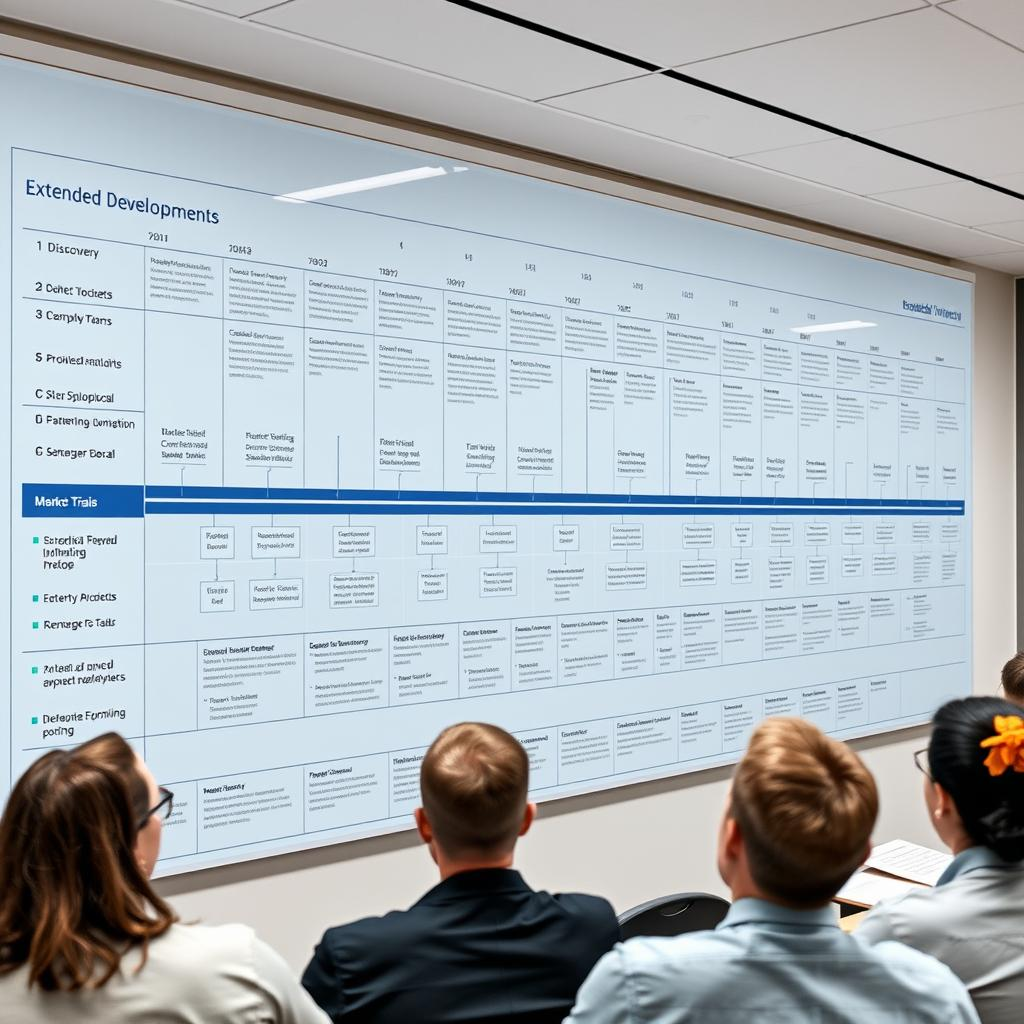
Biotech ventures typically require 7-10 years from inception to significant commercial milestones. This extended timeline creates challenges for maintaining investor interest and managing cash flow throughout the development process.
Future Trends in Biotech Venture Studios
The biotech venture studio model continues to evolve, influenced by technological advances and changing market dynamics. Several emerging trends are shaping the future of this innovation approach.

AI Integration
AI is transforming drug discovery and development processes. Biotech venture studios are increasingly incorporating AI capabilities to accelerate target identification, optimise molecular design, and predict clinical outcomes with greater precision.
This integration enables studios to evaluate more potential innovations and make data-driven decisions about which opportunities to pursue. The result is a more efficient company creation process with higher success rates.
CRISPR and Gene Editing
Advanced gene editing technologies like CRISPR are opening new therapeutic possibilities. Venture studios specialising in these technologies can develop platform companies that address multiple disease targets from a common technological foundation.
The modular nature of gene editing platforms allows studios to efficiently create multiple ventures from a core technology, maximizing the return on their initial investment in expertise and infrastructure.
Personalised Medicine
The shift toward personalised treatments tailored to individual genetic profiles is creating new opportunities for biotech venture studios. These approaches require sophisticated integration of diagnostics, therapeutics, and data analytics.
Venture studios are uniquely positioned to assemble the cross-functional teams needed to develop these complex, integrated solutions that traditional biotech startups might struggle to build independently.
Emerging Model: Hybrid Venture Studios
A growing trend is the emergence of hybrid models that combine elements of venture studios, accelerators, and traditional VC firms.
These organisations offer flexible engagement options for scientific founders, from full venture creation to more limited support services based on the specific needs of each innovation.
The Impact of Biotech Venture Studios
Biotech venture studios represent a powerful evolution in how life sciences innovations reach the market. By combining capital, expertise, and operational support under one roof, they address many of the traditional challenges in biotechnology commercialization.
The integrated approach of venture studios significantly improves the odds of success for early-stage biotech companies. By providing comprehensive support across scientific validation, business development, regulatory strategy, and financing, these studios create a more efficient path from discovery to impact.
As the model continues to mature, we can expect biotech venture studios to play an increasingly important role in bringing breakthrough therapies, diagnostics, and platform technologies to patients and markets worldwide. Their ability to bridge the gap between academic research and commercial application addresses a critical need in the life sciences innovation ecosystem.

- Biotech Licensing Deals Explained: Upfront Fees, Milestones, and Royalty Structures - October 19, 2026
- Synthetic Genomics: Building Genomes from Scratch and Why It Matters for Medicine - October 12, 2026
- CE Marking vs FDA 510(k): A Side-by-Side Regulatory Comparison for Medtech Founders - October 5, 2026