

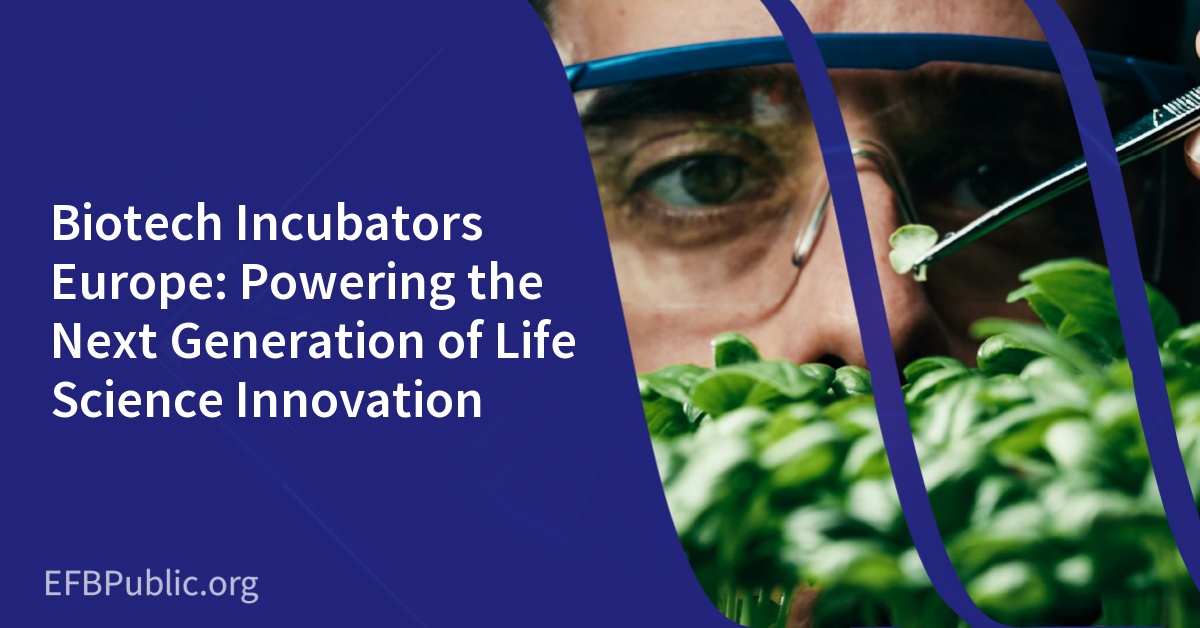
The European biotech industry is booming right now, with specialized incubators playing a critical role in turning scientific breakthroughs into commercial successes. These innovation hubs provide the essential infrastructure, expertise, and funding connections that new biotech ventures desperately need to navigate the challenging journey from idea to market.
In this article, we will explore the biotech incubator sector in Europe and how it transforms the life science industry.

What Are Biotech Incubators and Why They Matter
Biotech incubators are specialised environments developed to support early-stage life science companies through their most vulnerable phases. Unlike general business incubators, they are tailor-made environments to meet the unique challenges of biotechnology development.
They support companies through lab infrastructure, scientific equipment, regulatory guidance, and industry connections. For biotech startups facing long development timelines and massive capital requirements, incubators offer a lifeline that significantly enhances survival rates and speeds up growth.
According to the European Commission’s Life Sciences and Biotechnology Strategy, companies supported by specialised incubators are 87% more likely to survive their first five years compared to those going it alone. This highlights just how vital these institutions are to Europe’s innovation ecosystem.
Europe’s Biotech Ecosystem: A Landscape of Innovation
The European biotech sector has evolved into a dynamic ecosystem with distinct regional strengths. From the pharmaceutical powerhouses of Switzerland and Belgium to the digital health innovations in Scandinavia, Europe’s biotech industry offers a wide range of opportunities for specialised research and development.
Beyond the established powerhouses of Switzerland, Germany, and the UK, a new generation of biotech hubs is quietly redefining the continent’s innovation map. Cities such as Copenhagen, Vienna, and Barcelona have cultivated robust ecosystems built on strong academic foundations, supportive regulatory environments, and growing pools of specialist talent — a phenomenon explored in depth through the lens of emerging biotech clusters shaping European innovation. These up-and-coming regions are not merely supplementing existing capacity; they are actively competing for the same venture capital and partnership deals that once flowed almost exclusively to legacy life-science corridors.
According to the European Biotech Industry Report, investment in the sector hit a staggering €10.2 billion in 2023, with incubator-supported companies constituting about 34% of this funding. This shows just how significant incubators are in attracting capital to European life sciences.
“Europe’s biotech incubator network has become a critical competitive advantage in the global life sciences race, providing the specialized infrastructure and expertise that transforms scientific excellence into commercial success.”
— European Life Sciences Investment Report, 2023
Leading Biotech Incubators Across Europe
The following incubators represent the best of biotech support infrastructure in Europe, each offering unique advantages for life science startups.
VIB Bio-incubator (Belgium)

Focus: Healthcare and industrial biotechnology
Located in Ghent and Leuven, the VIB Bio-incubator operates under the renowned VIB research institute. It offers complete support for companies at various development stages, from startups to established enterprises. The incubator provides advanced laboratory space, and technical and logistical support.
Success Story: Aelin Therapeutics
Aelin Therapeutics, a VIB Bio-incubator company, developed a novel protein-based therapeutic platform called Pept-ins™. The company secured €27 million in Series A funding while at the incubator, showing how the right support environment can accelerate funding acquisition.
BioCity (United Kingdom)

Focus: Healthcare and industrial biotechnology
With locations in Nottingham, Glasgow, and Alderley Park, BioCity has established itself as the UK’s leading biotech incubator network. Since its founding in 2004, it boasts an impressive 91% survival rate for incubated companies. BioCity offers specialised programs including pitching competitions, trade visits, and investment opportunity roundups.
Key Offering: MediCity Program
BioCity’s specialised MediCity program focuses exclusively on medical technology startups, providing targeted mentorship and development resources for medtech innovations. This specialised approach has helped companies like CHAIN Biotechnology secure £2.6 million in funding to advance their microbiome therapeutics platform.
Genopole (France)

Focus: Healthcare, industrial biotech, and food technology
Located south of Paris in Evry, Genopole has established itself as France’s leading biotech incubator. The biocluster supports startups across all biotechnology branches, offering comprehensive coaching, business services, and an accelerator program in addition to laboratory facilities.
Genopole has been vital in building France’s biotech sector. It hosts companies like Enterome, which raised over €100 million for microbiome therapies, and Ynsect, which received €316 million, the largest agtech funding in Europe, for its insect farming technology.
Unique Advantage: Integrated Ecosystem
Genopole’s campus brings together 19 research labs, 29 technology platforms, and over 100 biotech companies, offering a unique concentration of life science expertise and resources.
AstraZeneca BioVentureHub (Sweden)

Focus: Healthcare and pharmaceutical development
This unique corporate-run incubator in Mölndal gives academics and entrepreneurs access to AstraZeneca’s extensive resources while maintaining complete intellectual property independence. The BioVentureHub model represents a new approach to open innovation in the pharmaceutical industry.
Success Story: Immunicum
Immunicum, a BioVentureHub company committed to pioneering innovative immuno-oncology treatments, has successfully completed its IPO. Furthermore, it has made significant progress in multiple clinical trials, leveraging the hub’s invaluable resources and expertise. The company’s market capitalisation has grown to over €200 million.
StartLab at Biopôle (Switzerland)

Focus: Healthcare and pharmaceutical innovation
Located at the Biopôle in Lausanne, StartLab offers a flexible payment model that significantly reduces the initial funding requirements for biotech startups. This innovative approach makes high-quality incubation accessible to promising early-stage ventures that might otherwise struggle with Switzerland’s high operational costs.
Key Advantage: Academic Integration
StartLab’s location within the Biopôle campus provides direct access to leading academic institutions, including the University of Lausanne and EPFL. It aims at facilitating research collaborations and technology transfer. Companies like HAYA Therapeutics have leveraged this ecosystem to develop groundbreaking RNA therapeutics.
Key Benefits for Startups: Beyond Laboratory Space
While access to specialised facilities remains important, today’s leading biotech incubators offer a comprehensive ecosystem of support that extends far beyond physical infrastructure.
Funding Access
European biotech incubators have built strong investor networks, often managing dedicated funds or connecting startups with specialised venture capital firms. Incubated companies raise an average of 3.4x more capital than non-incubated counterparts.
Expert Mentorship
Access to seasoned biotech entrepreneurs and industry veterans provides invaluable guidance on navigating regulatory pathways, scaling production, and developing commercialisation strategies tailored to the life sciences sector.
Regulatory Navigation
Navigating the complex regulatory landscape is critical for biotech success. Incubators provide specialised expertise in areas like clinical trial design, GMP compliance, and the European Medicines Agency approval process.
“The value of a specialized biotech incubator extends far beyond physical space—it’s about accessing an ecosystem that understands the unique challenges of translating life science innovations into commercial reality.”
— Dr. Helena Vieira, Founder of BlueBio Alliance
Regional Strengths: Comparing Europe’s Biotech Hubs
From the tool
Challenges Facing European Biotech Incubators
Despite their success, biotech incubators across Europe face several challenges that impede their ability to support life science innovation.
Regulatory Complexity
The fragmented regulatory landscape across European countries creates significant hurdles for biotech startups. The European Medicines Agency provides centralised approval processes. However, national differences in clinical trial requirements, reimbursement policies, and market access pathways still pose significant challenges.
In response to these challenges, incubators are increasingly developing specialised regulatory expertise and partnerships with consultancies to help navigate these complexities, but harmonisation remains an ongoing challenge.
Funding Gaps
Although early-stage funding has improved, many European biotech companies still struggle to secure Series B and C funding. This funding gap often forces promising companies to look to US investors or consider early exits through acquisition rather than pursuing independent growth.
The European Funding Gap: According to the European Investment Bank, the average Series B funding round for European biotech companies is €30 million, compared to €45 million for US counterparts. This 33% gap significantly impacts growth trajectories and global competitiveness.
Talent Acquisition
Attracting and retaining talent remains challenging. This is particularly true for incubators outside major metropolitan areas. The competition for experienced biotech executives, regulatory specialists, and scientific leaders is intense, with many professionals drawn to established biotech hubs in the US and Asia.
Future Trends: The Evolution of Biotech Incubation in Europe
The biotech incubator landscape in Europe continues to evolve, with several emerging trends shaping the future of life science innovation support. The industry is expected to see the following trends in the future:
AI Integration and Computational Biology

Leading incubators are developing specialised resources for AI-driven biotech startups, including access to high-performance computing infrastructure, specialised datasets, and partnerships with technology providers. This trend is particularly seen in the UK, Switzerland, and Nordic countries, where computational biology is fast gaining momentum.
Sustainability Focus
More European biotech incubators are creating specialised programs for companies addressing sustainability issues, such as bioremediation, sustainable materials, and carbon capture technologies. This reflects both policy priorities and market opportunities in the European green transition.
“The next wave of European biotech innovation will be at the intersection of sustainability and biotechnology, with incubators playing a crucial role in nurturing companies addressing climate challenges through biological solutions.”
— European Bioeconomy Strategy Report, 2023
Cross-Border Collaboration
European biotech incubators recognise the limitations of fragmented national ecosystems and hence, are focusing on forming collaborative networks. Thus, startups can access resources and expertise across multiple countries. Programs like the EU-funded BioInnovation Institute are pioneering this approach.
Conclusion: Selecting the Right Biotech Incubator for Your Venture
The European biotech incubator landscape offers diverse options for life science entrepreneurs, each with distinct advantages and specializations. When evaluating potential incubators for your venture, consider these key factors:
- Specialisation alignment: Choose an incubator with expertise in your specific therapeutic area or technology domain.
- Resource access: Evaluate the laboratory infrastructure, equipment, and technical support available.
- Funding networks: Assess the incubator’s track record in helping companies secure investment.
- Mentorship quality: Research the backgrounds of mentors and advisors associated with the program.
- Ecosystem integration: Consider proximity to academic institutions, hospitals, and industry partners.
- Alumni success: Examine the outcomes of previous incubator participants.
The right incubator can dramatically accelerate your biotech venture’s development, providing not just resources but also the expertise and connections needed to navigate the complex journey from scientific discovery to market impact.

- Biotech Licensing Deals Explained: Upfront Fees, Milestones, and Royalty Structures - October 19, 2026
- Synthetic Genomics: Building Genomes from Scratch and Why It Matters for Medicine - October 12, 2026
- CE Marking vs FDA 510(k): A Side-by-Side Regulatory Comparison for Medtech Founders - October 5, 2026