

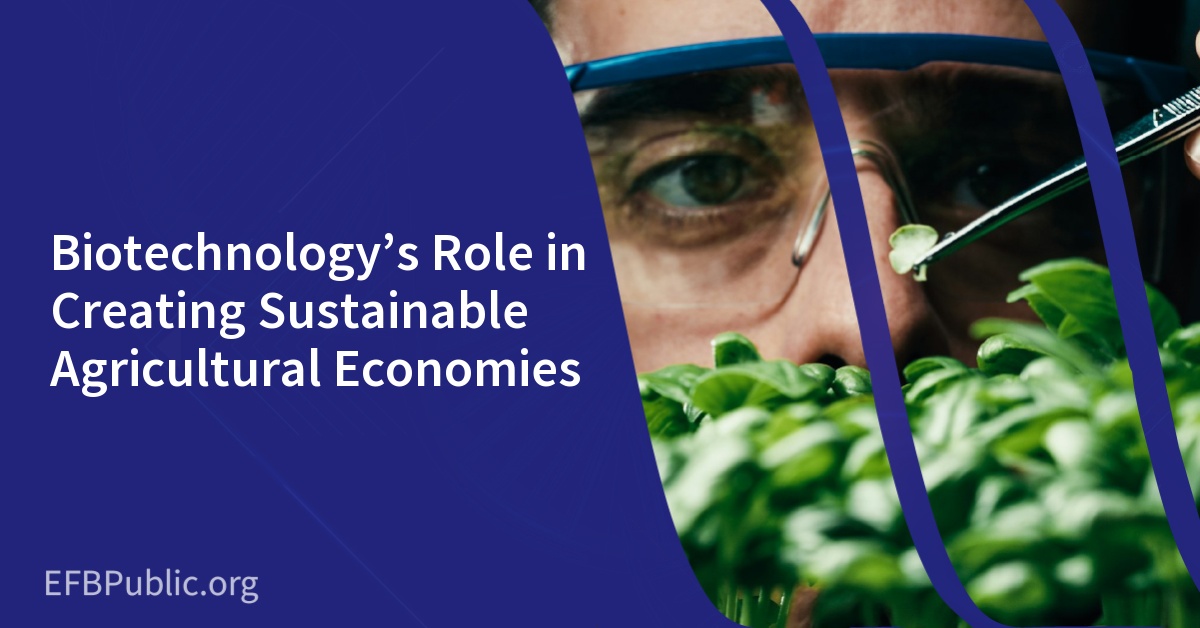
Biotechnology is key in making farming sustainable for today and tomorrow. It meets food and fiber needs while keeping the environment safe. This field uses biology, engineering, and more to use natural resources wisely.
Biotech changes farming by making crops healthier and more productive. It also helps crops fight off pests and diseases without harming the environment. New technologies like pest-resistant plants and nutrient-rich crops are leading the way.
CRISPR genome editing is a big step in biotech. It makes farming more sustainable and fair for everyone. This helps deal with climate change and feeds more people around the world.
Biotechnology also improves soil health and nutrient use. It’s essential for farming that’s good for the planet and people. Biotech is crucial for a green and sustainable future in farming.
Taken together, these farm-level advances represent far more than incremental improvements to agricultural practice — they signal a broader shift in how societies can meet growing demands without depleting the natural systems that sustain them. biotechnology’s comprehensive role in sustainability extends well beyond the field, touching food security, climate resilience, and public health in ways that compound at a societal scale. Understanding this wider impact helps frame why investment in agricultural biotechnology is not simply a matter of yield optimization, but a foundational strategy for long-term environmental and human well-being.
The benefits of biotechnology, however, extend well beyond individual fields and farms. As these innovations accumulate across agricultural systems, they contribute to a broader transformation in how societies interact with the natural environment. biotechnology’s role in environmentally sustainable societies illustrates how advances in soil health, crop resilience, and resource efficiency collectively reduce industrial agriculture’s ecological footprint at a societal scale. This wider perspective is essential context for understanding why sustainable agriculture is increasingly defined not merely as a set of farming techniques, but as a comprehensive, systems-level approach to human land use.
The Importance of Biotechnology in Sustainable Agriculture
Sustainable agriculture is a new way to farm that keeps the environment healthy, is good for the economy, and fair for everyone. Farmers use organic methods, save soil, and use natural fertilizers. This makes farming more stable and productive.
Introduction to Sustainable Agriculture
Sustainable farming is all about protecting the environment and feeding people now and in the future. It uses natural farming methods and avoids harmful chemicals. Biotechnology is key, helping create crops that need less care and grow more.
The relationship between biotechnology and sustainable agriculture runs deeper than simply reducing chemical inputs. biotechnology’s role in sustainable crop production has expanded significantly in recent years, reshaping how farmers approach everything from soil health to yield optimization. By harnessing tools like gene editing and marker-assisted breeding, researchers and growers alike are developing crop varieties that are not only more resilient but also better aligned with the natural ecosystems they inhabit—laying the groundwork for the targeted improvements we see in today’s modern agricultural practices.
Enhancing Crop Resistance and Yield
Biotechnology helps make crops stronger and more productive. Scientists have made crops that fight off pests and diseases better. For example, crops that resist weeds help keep soil healthy.
Also, biotechnology makes food like Golden Rice, which is full of nutrients. This food helps people get the vitamins they need.
Soil and Nutrient Management
Good soil and nutrient care are crucial for sustainable farming. Biotechnology helps by using natural fertilizers and pest control. This keeps the soil healthy and supports many different plants and animals.
By managing nutrients well, we can feed crops what they need without harming the soil. This keeps farming productive for a long time and protects the environment.
Applications of Biotechnology in Sustainable Agricultural Economies
Biotechnology offers many ways to make farming more sustainable. It uses genetic engineering and precision crop development. These help control pests and grow crops that can handle tough conditions. This improves food safety, protects the environment, and boosts the economy.
Pest and Weed Management
Genetically engineered crops fight pests without harming the environment. This cuts down on the use of harmful pesticides. It also makes farming more efficient by controlling weeds better.
These methods help keep the soil healthy and prevent erosion. They make farming more sustainable.
These soil conservation advances are not isolated achievements — they form the foundation of a much broader agricultural transformation. By stabilizing soils and maintaining microbial diversity, biotech practices contribute directly to resilient agricultural systems built through biotechnology, where crops are engineered not only to thrive in optimal conditions but to withstand drought, salinity, and temperature extremes with reduced chemical and water inputs. Understanding this connection helps frame soil health as a strategic investment in long-term food security rather than simply a reactive measure against land degradation.
Developing Resilient Crops
Biotechnology helps grow crops that can survive in tough conditions. They need less water, fertilizer, and work. This saves natural resources.
It’s also working on plants that clean polluted soil. And it’s making crops that can grow in salty or dry soil. This improves food security and makes farming more reliable.
Biotechnology also helps in animal health. It’s improving antibiotics and vaccines for animals. This keeps animals healthy and productive. As biotech crops become more common, they’re tested to ensure they’re safe. This builds trust in biotechnology.

- Biotech Licensing Deals Explained: Upfront Fees, Milestones, and Royalty Structures - October 19, 2026
- Synthetic Genomics: Building Genomes from Scratch and Why It Matters for Medicine - October 12, 2026
- CE Marking vs FDA 510(k): A Side-by-Side Regulatory Comparison for Medtech Founders - October 5, 2026