

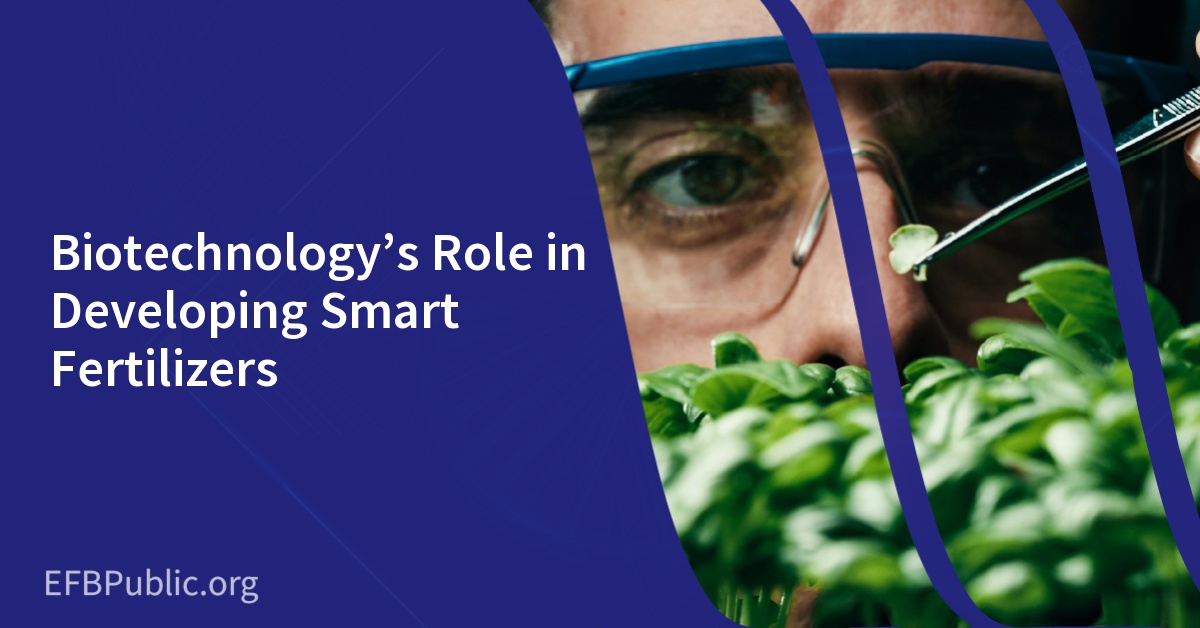
Farming faces unprecedented challenges—from climate uncertainty to growing food demands. Biotechnology offers a pathway forward, introducing precision tools that enhance crop resilience, improve nutrient delivery, and reduce environmental impact. Smart fertilizers represent one of the most promising innovations in this space, combining biological insights with advanced materials science to transform how we nourish crops.
These technologies aren’t just incremental improvements. They represent a fundamental shift in agricultural practice, moving from broad-spectrum approaches to targeted, responsive systems that work in harmony with natural processes.
Understanding Biotechnology’s Role in Sustainable Agriculture
Biotechnology intersects with agriculture at a critical moment. Traditional farming methods struggle to meet rising food demands while environmental pressures intensify. Biotech innovations address these challenges by enhancing crop performance, improving resource efficiency, and reducing the ecological footprint of food production.
Why Sustainable Agriculture Matters
Sustainable farming extends beyond yield optimization. It encompasses soil health, water conservation, biodiversity protection, and long-term ecosystem viability. The approach recognizes that agricultural systems must support both current populations and future generations without depleting natural resources.
Research suggests that sustainable practices can maintain productivity while reducing environmental harm. These methods integrate biological understanding with practical farming needs, creating systems that work with natural processes rather than against them.
Current Agricultural Challenges
Modern agriculture confronts several interconnected pressures:
- Climate variability affects growing seasons, water availability, and crop stress patterns
- Soil degradation from intensive farming reduces fertility and carbon sequestration capacity
- Biodiversity loss threatens pollinator populations and natural pest control systems
- Water scarcity limits irrigation options in many agricultural regions
- Nutrient runoff from conventional fertilizers contributes to water pollution and ecosystem disruption
These challenges require solutions that address multiple factors simultaneously. Biotechnology provides tools that can tackle several issues at once, making agricultural systems more resilient and efficient.
How Biotechnology Contributes
Biotechnology introduces precision to agriculture. Genetic improvements help crops withstand drought, resist pests, and utilize nutrients more efficiently. Techniques like CRISPR gene editing allow targeted modifications that enhance specific traits without introducing foreign genetic material.
Beyond genetic tools, biotechnology enables the development of biological inputs—biofertilizers, biopesticides, and soil amendments that work with natural systems. These products leverage microbial activity, enzyme function, and biological processes to support plant growth and health.
The Evolution of Smart Fertilizers
Smart fertilizers represent a significant departure from conventional nutrient delivery systems. Traditional fertilizers release nutrients immediately upon application, often exceeding plant uptake capacity and leading to waste. Smart fertilizers release nutrients in response to plant needs, environmental conditions, or time-based triggers.
Defining Smart Fertilizers
Smart fertilizers are advanced nutrient delivery systems designed to synchronize nutrient release with plant uptake patterns. They incorporate various technologies:
- Controlled-release coatings that respond to temperature, moisture, or soil chemistry
- Slow-release formulations that gradually break down over extended periods
- Stabilized nutrients that resist rapid conversion to forms plants cannot use
- Nano-enabled carriers that improve nutrient mobility and plant uptake
These systems aim to maximize nutrient use efficiency while minimizing environmental losses through leaching, volatilization, or runoff.
Biotechnology’s Contribution to Development
Biotechnology plays several roles in smart fertilizer advancement. Researchers use biological understanding to design fertilizers that interact beneficially with soil microbiomes. Certain formulations incorporate beneficial bacteria or fungi that enhance nutrient availability or improve plant stress tolerance.
Nanotechnology—a field that intersects with biotechnology—enables the creation of nano-scale carriers that deliver nutrients more precisely. These carriers can penetrate plant tissues more effectively or release nutrients in response to specific biochemical signals.
Biotechnology also helps identify and cultivate microbial strains that fix atmospheric nitrogen, solubilize phosphorus, or produce plant growth-promoting compounds. When integrated with smart fertilizer systems, these organisms enhance overall nutrient efficiency.
Applications and Benefits of Smart Fertilizer Technologies
Smart fertilizers offer multiple advantages for both agricultural productivity and environmental stewardship. Their precision approach reduces waste while maintaining or improving crop performance.
Precision Nutrient Management
Smart fertilizers enable farmers to match nutrient supply with crop demand more accurately. This precision reduces over-application, which wastes resources and harms the environment. It also prevents under-application, which limits yields and crop quality.
The technology supports variable-rate application strategies, where different field areas receive customized nutrient amounts based on soil conditions, crop needs, and yield potential. This approach optimizes resource use across diverse field conditions.
Environmental Protection
Conventional fertilizer practices contribute significantly to water pollution through nutrient runoff. Excess nitrogen and phosphorus enter waterways, causing algal blooms and oxygen depletion that harm aquatic ecosystems.
Smart fertilizers reduce these losses by releasing nutrients gradually and in sync with plant uptake. Studies suggest that controlled-release formulations can significantly decrease nutrient leaching compared to conventional products, though exact reduction rates vary by soil type, climate, and crop.
Soil Health Enhancement
Many smart fertilizer systems incorporate components that support soil biology. Nano-materials in some formulations can stimulate beneficial microbial activity, improving soil structure and nutrient cycling. Biological additives introduce or support microorganisms that enhance soil health over time.
Healthier soils retain water more effectively, resist erosion, and sequester more carbon. These benefits extend beyond individual growing seasons, improving long-term agricultural sustainability.
Economic Considerations
While smart fertilizers typically cost more per unit than conventional products, they may offer economic advantages through improved efficiency. Reduced application frequency, lower total nutrient requirements, and improved crop performance can offset higher initial costs.
The economic equation varies by crop, region, and farming system. Adoption often depends on demonstrating clear return on investment through field trials and practical experience.
The Path Ahead
Smart fertilizers represent one component of biotechnology’s contribution to sustainable agriculture. Their development reflects broader trends toward precision, efficiency, and environmental responsibility in farming systems.
Continued research will likely yield more sophisticated formulations that respond to increasingly specific conditions. Integration with digital agriculture tools—sensors, data analytics, and automated systems—could enable even more precise nutrient management.
Challenges remain, including cost barriers, farmer education, and regulatory frameworks that keep pace with innovation. Addressing these obstacles requires collaboration among researchers, industry, policymakers, and farmers themselves.
The potential for biotechnology to transform agriculture extends well beyond fertilizers. As these tools mature and integrate with other innovations, they may help create farming systems that are simultaneously more productive, more sustainable, and more resilient to future challenges.

- Biotech Licensing Deals Explained: Upfront Fees, Milestones, and Royalty Structures - October 19, 2026
- Synthetic Genomics: Building Genomes from Scratch and Why It Matters for Medicine - October 12, 2026
- CE Marking vs FDA 510(k): A Side-by-Side Regulatory Comparison for Medtech Founders - October 5, 2026