

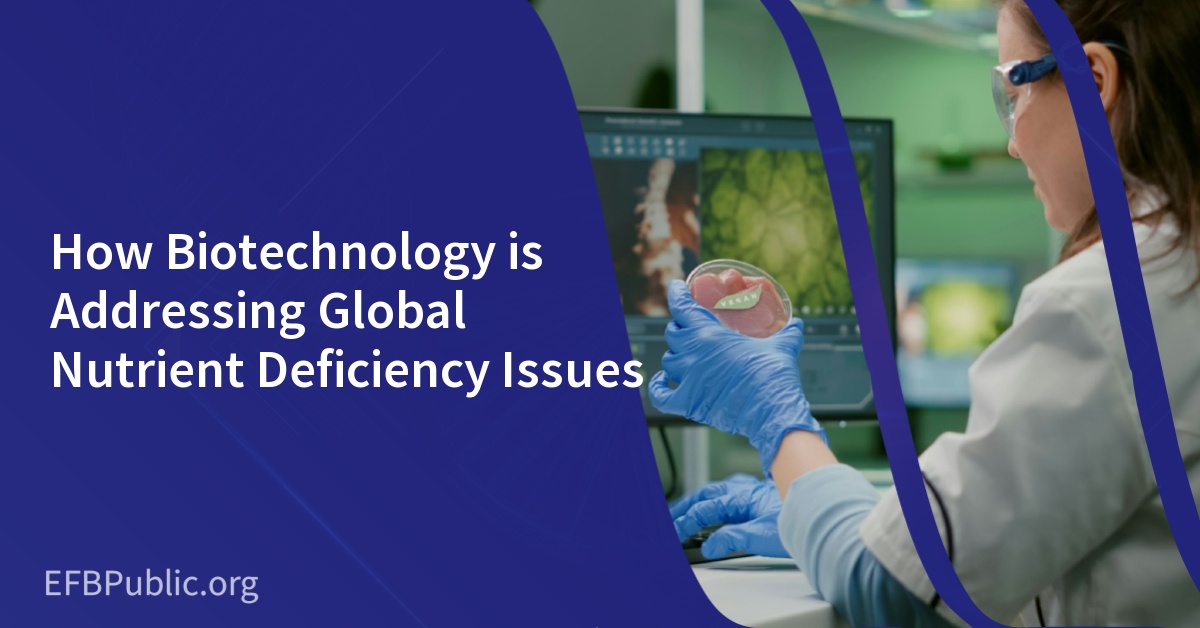
Millions of people worldwide lack access to adequate nutrition, not just in terms of calories, but in essential vitamins and minerals their bodies need to thrive. While agricultural advances have increased food production over recent decades, they haven’t necessarily made our food more nutritious.
Biotechnology offers a different approach—one focused on enhancing the nutritional quality of crops themselves, potentially transforming how we address malnutrition on a global scale.
Building on Agricultural Progress
The agricultural innovations of the mid-20th century brought significant increases in crop yields through improved fertilizers, plant breeding techniques, and pest management strategies. These advances helped feed growing populations and demonstrated the power of applying scientific knowledge to agriculture.
However, today’s challenges extend beyond simply producing more food. We face:
- Growing global populations requiring more nutritious food sources
- Decreasing availability of arable land for cultivation
- Increasing water scarcity affecting agricultural production
- Persistent micronutrient deficiencies affecting human health worldwide
Biotechnology represents a shift in focus—from producing more food to producing better food that delivers essential nutrients people need.
Enhancing Nutritional Content Through Biotechnology
Modern biotechnology applies genetic and molecular techniques to improve the nutritional profile of staple crops. This approach recognizes that increasing food quantity alone doesn’t solve malnutrition when that food lacks essential vitamins and minerals.
Genomics and Targeted Crop Improvement
Genomic technologies allow scientists to understand plant genetics at a molecular level. This knowledge enables more precise improvements to crops, identifying and enhancing traits that boost nutritional content. Precision agriculture combines this genetic understanding with advanced farming techniques to optimize both crop nutrition and resource efficiency.
These methods help develop crops that naturally contain higher levels of essential nutrients, making nutritious food more accessible to populations that depend on staple crops for their primary nutrition.
Environmental Considerations
Biotechnology approaches can support more sustainable agricultural practices by:
- Reducing reliance on chemical inputs through enhanced pest resistance
- Improving water use efficiency in crops
- Maintaining soil health through reduced tillage requirements
- Supporting farming practices that work with natural systems
Notable Examples of Biofortification
Golden Rice and Vitamin A
Golden Rice represents one of the most recognized biofortification efforts. This genetically modified rice incorporates genes that enable it to produce beta-carotene, which the human body converts to Vitamin A. The development aimed to address Vitamin A deficiency, a significant health concern in regions where rice serves as a dietary staple.
Mineral-Enhanced Crops
Researchers have developed several biofortified crops targeting mineral deficiencies:
- Iron-enriched beans designed to address iron deficiency
- Zinc-fortified wheat varieties to improve zinc intake
- Other staple crops enhanced with essential minerals
These crops aim to deliver better nutrition through foods people already consume regularly, rather than requiring dietary changes or supplementation programs.
Agronomic Improvements
Beyond nutritional enhancement, biotechnology has contributed to developing crops with improved agronomic traits. These include resistance to specific pests and diseases, which can help farmers:
- Reduce crop losses to pests and pathogens
- Decrease dependency on chemical pesticides
- Improve overall crop yields and reliability
Research suggests these traits can support more sustainable farming while maintaining or improving productivity.
Addressing Implementation Challenges
The potential of biofortified crops faces several real-world obstacles that affect their adoption and impact.
Access and Distribution
Getting biofortified seeds to smallholder farmers in developing regions presents logistical and economic challenges. Ensuring that the farmers who could benefit most from these technologies can access and afford them remains an ongoing concern.
Intellectual Property Considerations
Patent protections and licensing arrangements can affect how widely biofortified crops are distributed. Some biotechnology companies and research institutions have explored technology-sharing arrangements to broaden access, particularly in developing countries.
Public Perception and Acceptance
Public attitudes toward genetically modified crops vary significantly across different regions and communities. Building trust and acceptance requires transparent communication about the science, safety testing, and potential benefits of biofortified crops.
The Path Ahead
Biotechnology offers promising tools for addressing nutritional deficiencies through crop improvement. The field continues to evolve, with ongoing research exploring new ways to enhance crop nutrition while supporting sustainable agriculture.
Realizing this potential requires more than scientific innovation alone. It demands collaborative efforts among researchers, policymakers, farmers, and communities to ensure that biofortification technologies are accessible, accepted, and effectively integrated into food systems.
The goal extends beyond technical achievement—it’s about creating practical solutions that improve nutrition and food security for populations that need them most, while supporting agricultural practices that can be sustained over the long term.

- Biotech Licensing Deals Explained: Upfront Fees, Milestones, and Royalty Structures - October 19, 2026
- Synthetic Genomics: Building Genomes from Scratch and Why It Matters for Medicine - October 12, 2026
- CE Marking vs FDA 510(k): A Side-by-Side Regulatory Comparison for Medtech Founders - October 5, 2026