

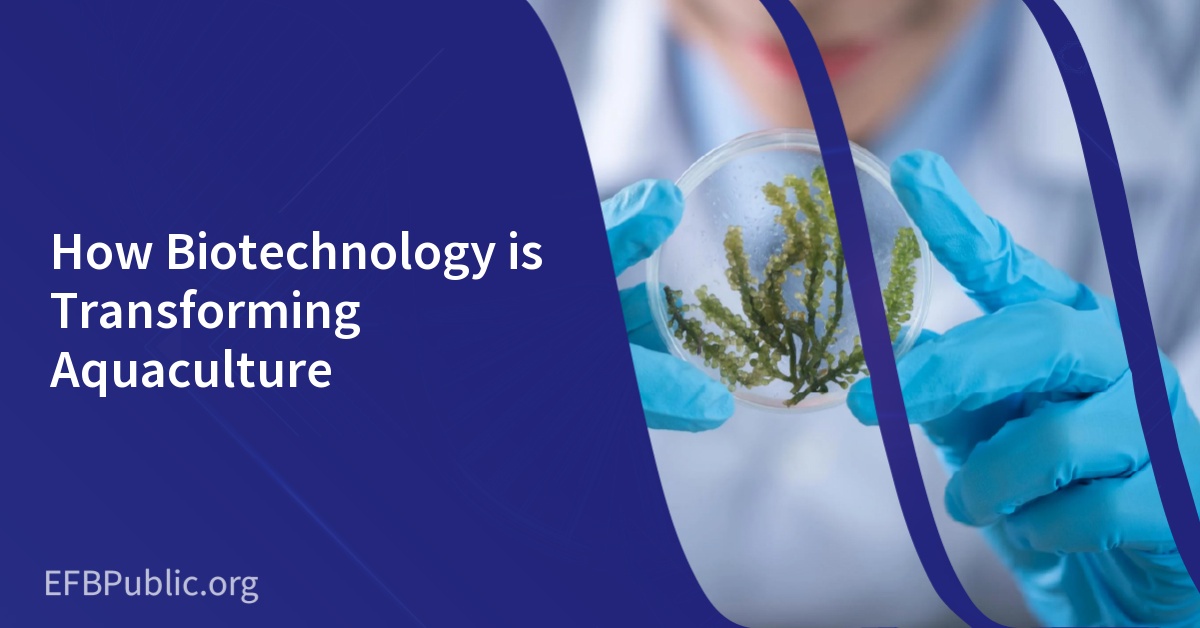
The global demand for protein continues to rise as populations grow and dietary preferences evolve. Traditional fishing methods face increasing pressure from overfishing and environmental concerns, creating an urgent need for sustainable alternatives. Aquaculture emerges as a promising solution, representing one of the fastest-growing food production sectors worldwide.
This growth brings both opportunities and challenges. While aquaculture can help address food security concerns, it must do so responsibly to avoid repeating the environmental mistakes of other intensive farming methods. Biotechnology offers innovative approaches to these challenges, demonstrating its transformative power in revolutionizing how we produce aquatic protein.
The integration of biotechnology into aquaculture systems represents a pioneering approach that combines scientific innovation with practical solutions. By harnessing cellular and biomolecular processes, researchers and producers are developing sustainable methods that benefit both the industry and the environment.
The Foundation of Biotechnology in Aquaculture
Biotechnology in aquaculture encompasses the application of biological systems and living organisms to enhance fish farming operations. This interdisciplinary field combines genetics, biochemistry, molecular biology, and marine science to address critical challenges in sustainable food production.
Understanding Modern Aquaculture Biotechnology
Contemporary aquaculture biotechnology involves several key areas that demonstrate its diverse applications:
• Genetic improvement programs that enhance desirable traits in farmed species through selective breeding
• Advanced breeding techniques that accelerate natural selection processes using molecular markers
• Cellular technologies for preservation and manipulation of genetic material
• Molecular tools for rapid disease diagnosis and targeted prevention strategies
• Bioengineering approaches for feed optimization and environmental impact reduction
• Reproductive technologies that enable precise control of breeding cycles and population dynamics
These applications showcase biotechnology’s potential to create more efficient and environmentally responsible aquaculture systems. Research suggests that biotechnological interventions can significantly improve production outcomes while reducing resource consumption and environmental impact.
Historical Development and Current Applications
The evolution of biotechnology in aquaculture has progressed from basic selective breeding practices to sophisticated genetic manipulation techniques. Early applications focused on traditional approaches, while contemporary methods utilize advanced molecular tools.
Modern biotechnology applications have expanded to include genomic selection tools for breeding program optimization, molecular diagnostics for rapid pathogen identification, and precision nutrition approaches based on genetic profiles. These advancements represent a significant leap forward in our ability to manage aquaculture systems effectively.
Genetic Enhancement and Species Improvement
Advanced Breeding Technologies
Modern aquaculture increasingly relies on biotechnological tools to accelerate genetic improvement programs. These technologies enable producers to achieve desired outcomes more efficiently than traditional methods alone.
Selective breeding programs now utilize molecular markers and genomic information to identify superior breeding candidates. This approach allows for more accurate prediction of breeding values, reduced generation intervals through early selection, and improved genetic gain for complex traits like disease resistance.
Studies indicate that genomic selection can increase genetic gain compared to traditional breeding methods, though exact figures vary depending on species and traits being selected. The ability to select for multiple traits simultaneously while maintaining genetic diversity represents a significant advancement in breeding program management.
Chromosome Manipulation and Reproductive Control
Chromosome manipulation techniques offer opportunities to enhance production characteristics in aquaculture species. Triploid induction creates sterile fish with improved growth rates, while tetraploid production enables development of all-female populations in species where one sex grows faster.
These methods ensure optimal growth patterns and help create more productive fish populations. Techniques like gynogenesis preserve maternal genetic lines, while androgenesis allows for rapid development of homozygous lines useful in breeding programs.
Environmental Sustainability and Biotechnology
Reducing Environmental Impact Through Innovation
Biotechnology offers innovative approaches to minimize the ecological footprint of aquaculture operations while maintaining productive efficiency. These solutions address some of the most pressing environmental concerns associated with intensive fish farming.
Feed optimization represents a critical area where biotechnology makes a substantial difference. Traditional aquaculture feeds rely heavily on fishmeal and fish oil, creating sustainability concerns. Biotechnological solutions include:
• Development of plant-based protein sources with enhanced digestibility through enzymatic processing
• Microbial protein production using fermentation technologies that convert waste materials into valuable feed ingredients
• Insect meal processing for sustainable protein alternatives with lower environmental impact
• Algae cultivation systems for omega-3 fatty acid production without depleting wild fish stocks
• Single-cell protein development from agricultural and food processing waste materials
Water Quality Management and Waste Reduction
Advanced biotechnological approaches to water quality management include probiotic bacteria for pathogen control and water purification, enzymatic treatments for organic matter breakdown, and bioflocculation technologies for suspended solid removal.
These systems represent sustainable alternatives to chemical treatments while providing effective water quality management. Integrated multi-trophic aquaculture systems use biotechnology to create symbiotic relationships between different species, reducing waste and improving overall system efficiency.
Health Management and Disease Prevention
Revolutionary Vaccination Strategies
Biotechnology has transformed disease prevention in aquaculture through sophisticated vaccination approaches that reduce reliance on antibiotics and chemical treatments.
Modern aquaculture vaccines utilize biotechnological production methods to create more effective immunization strategies:
• Recombinant protein vaccines produced in bacterial or yeast systems for targeted pathogen protection
• DNA vaccines that stimulate cellular immune responses for long-lasting immunity
• Live attenuated vaccines created through genetic modification for safe, effective immunization
• Oral vaccine delivery systems enabling mass immunization of large fish populations
• Immersion vaccines designed for convenient administration in commercial operations
Research indicates that proper vaccination programs can substantially reduce antibiotic use, though specific percentages vary by pathogen and production system. The development of species-specific vaccines represents a major advancement in sustainable aquaculture health management.
Diagnostic Technologies and Health Monitoring
Rapid and accurate disease diagnosis proves crucial for effective health management in aquaculture. Molecular diagnostics enable early intervention and targeted treatment strategies, reducing the need for broad-spectrum antimicrobial treatments.
PCR-based assays for pathogen identification, real-time quantitative PCR for viral load monitoring, and biosensor technologies for continuous health monitoring represent significant advances in aquaculture health management. These tools enable producers to respond quickly to health challenges while minimizing environmental impact.
The Path Ahead
Biotechnology represents a transformative force in aquaculture development, offering innovative approaches to sustainability, productivity, and environmental stewardship. Through genetic enhancement, disease management, environmental protection, and reproductive control, biotechnological applications demonstrate the potential to revolutionize aquatic food production.
The integration of biotechnology with digital technologies represents the next frontier in aquaculture development. Biosensor networks for real-time health monitoring, automated feeding systems based on genetic growth models, and AI-driven disease prediction algorithms showcase the pioneering spirit driving industry innovation.
As we continue to harness biotechnology’s transformative power, responsible innovation and ethical consideration will ensure these groundbreaking advancements contribute to a sustainable and prosperous future for global aquaculture.
The field’s interdisciplinary nature and focus on practical applications position it to address critical challenges in food security while protecting environmental resources for future generations.

- Biotech Licensing Deals Explained: Upfront Fees, Milestones, and Royalty Structures - October 19, 2026
- Synthetic Genomics: Building Genomes from Scratch and Why It Matters for Medicine - October 12, 2026
- CE Marking vs FDA 510(k): A Side-by-Side Regulatory Comparison for Medtech Founders - October 5, 2026