

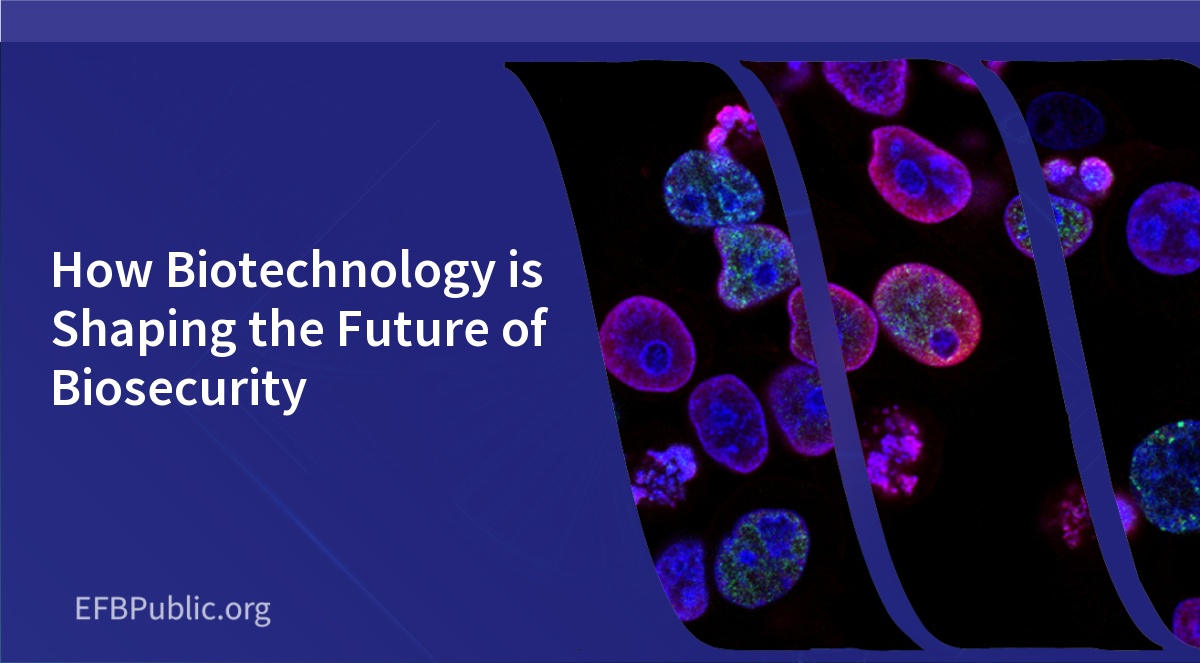
Biotechnology stands at the forefront of addressing some of humanity’s most pressing challenges, from climate change to emerging health threats. The field combines biology and technology to create innovative solutions that transform how we approach healthcare, agriculture, and environmental sustainability.
The convergence of precision gene editing, advanced biomanufacturing, and emerging biotechnologies creates unprecedented opportunities for tackling global issues while fostering economic growth and scientific advancement.
Among the most consequential domains where precision biotechnology is making its mark is agriculture, where engineered solutions are addressing food security, crop resilience, and sustainable yield challenges at a global scale. The same gene-editing platforms and molecular diagnostics that underpin modern biosecurity frameworks have been adapted to transform how crops are developed and protected. This intersection of innovation and necessity is explored in depth through biotechnology-driven agricultural innovation research, which illustrates how these tools are reshaping food systems well beyond the laboratory. Understanding this broader application context helps clarify why biosecurity practitioners increasingly draw from the same precision technologies that agronomists and plant scientists have refined over decades.
The Role of Gene Editing and Gene Drives in Biosecurity
Modern biosecurity strategies increasingly rely on precision biotechnology tools to address emerging biological threats and maintain ecological balance. Gene editing technologies, particularly CRISPR-based systems, have revolutionized our ability to make targeted genetic modifications that enhance security across multiple domains.
These innovative approaches represent a paradigm shift in how we conceptualize and implement biosecurity measures. Rather than relying solely on reactive responses, we can now develop proactive, precision-targeted interventions.
Applications of CRISPR for Defense
CRISPR technology has emerged as a cornerstone of modern biosecurity applications, offering unprecedented precision in genetic modifications for defensive purposes. The versatility of CRISPR systems enables researchers to develop targeted responses to specific threats while maintaining flexibility to adapt to emerging challenges.
Key applications include:
• Enhanced crop resistance to biological threats and emerging pathogens
• Development of rapid diagnostic tools for pathogen identification
• Creation of biological countermeasures against potential bioweapons
• Engineering of beneficial microorganisms for environmental remediation
• Advancement of personalized medicine approaches for treating exposure-related conditions
Studies suggest that CRISPR-based approaches can significantly reduce development timelines for defensive biotechnology applications compared to traditional methods, though exact figures vary depending on the specific application.
Gene Drives for Pest and Disease Management
Gene drive technology represents a pioneering approach to population-level interventions for disease vector control and pest management. This technology enables genetic modifications to spread through wild populations, offering potentially more sustainable and targeted approaches to pest management.
Research indicates that gene drives could offer advantages over traditional chemical interventions, though comprehensive risk assessment remains essential:
• Mosquito population modification to reduce disease transmission capacity
• Development of self-limiting genetic modifications for invasive species control
• Creation of genetic switches that can be activated under specific conditions
• Engineering of sterility mechanisms for targeted population reduction
• Implementation of genetic modifications that spread through wild populations
Ethical, Legal, and Social Implications (ELSI)
The transformative power of gene editing and gene drive technologies necessitates careful consideration of ethical, legal, and social factors. These considerations are essential for responsible development and deployment.
Critical areas requiring attention include:
• Governance frameworks for responsible research and development
• International coordination mechanisms for cross-border applications
• Public engagement strategies to ensure informed decision-making
• Risk assessment protocols for environmental release
• Benefit-sharing arrangements for global applications
Biotechnology Solutions for Comprehensive Biosecurity
Biotechnology offers diverse applications for enhancing security across environmental, health, and agricultural domains. The integration of biological systems with advanced technology platforms creates opportunities for developing comprehensive security solutions that address multiple threat vectors simultaneously.
Policy Framework and Strategic Initiatives
Government initiatives and policy frameworks play crucial roles in advancing biotechnology applications for security purposes. Recent policy initiatives have emphasized the importance of biotechnology for national security and economic competitiveness.
Key focus areas include:
• Strategic investment in biotechnology research and development infrastructure
• Public-private partnerships for accelerating innovation and deployment
• Regulatory frameworks that balance innovation with safety considerations
These initiatives aim to create robust biotechnology ecosystems while ensuring responsible development and deployment of emerging technologies.
Sustainable Biomanufacturing Applications
The transition toward sustainable biomanufacturing represents a critical component of comprehensive security strategies. This approach addresses both environmental sustainability and supply chain resilience.
Studies suggest that biomanufacturing could potentially replace a significant portion of traditional manufacturing processes, though exact figures vary depending on sector-specific applications and technological development timelines.
Applications focus on:
• Development of bio-based alternatives to petroleum-derived materials
• Creation of resilient supply chains through distributed manufacturing
• Enhancement of resource security through renewable feedstock utilization
Implementation Considerations and Future Directions
The successful implementation of biotechnology solutions for biosecurity requires coordinated efforts across multiple stakeholders. Both technical and societal considerations must be carefully addressed to ensure responsible development.
Risk Management and Safety Protocols
Effective risk management strategies are essential for the responsible development and deployment of biotechnology applications. These protocols must evolve continuously as technologies advance and new applications emerge.
Essential components include:
• Comprehensive risk assessment methodologies for novel applications
• Biocontainment protocols for research and development activities
• Monitoring systems for tracking environmental and health impacts
International Cooperation and Governance
The global nature of many biosecurity challenges necessitates international cooperation and coordinated governance approaches. Effective collaboration requires harmonized frameworks and shared protocols.
Key elements of international cooperation include:
• Harmonized regulatory frameworks for cross-border applications
• Information sharing mechanisms for threat assessment and response
• Capacity building programs for developing countries
Looking Forward
The future of biotechnology in biosecurity relies on using these innovative technologies responsibly while ensuring fair access to their benefits.
Through thoughtful implementation and international cooperation, biotechnology can contribute significantly to addressing global security challenges while promoting sustainable development and human welfare. The field continues to evolve rapidly, requiring ongoing attention to ethical considerations, regulatory frameworks, and collaborative governance approaches.
Success depends on ongoing investment in research and development, strong safety measures, and active engagement with diverse stakeholders to ensure biotechnology benefits the public and tackles key security issues.
