

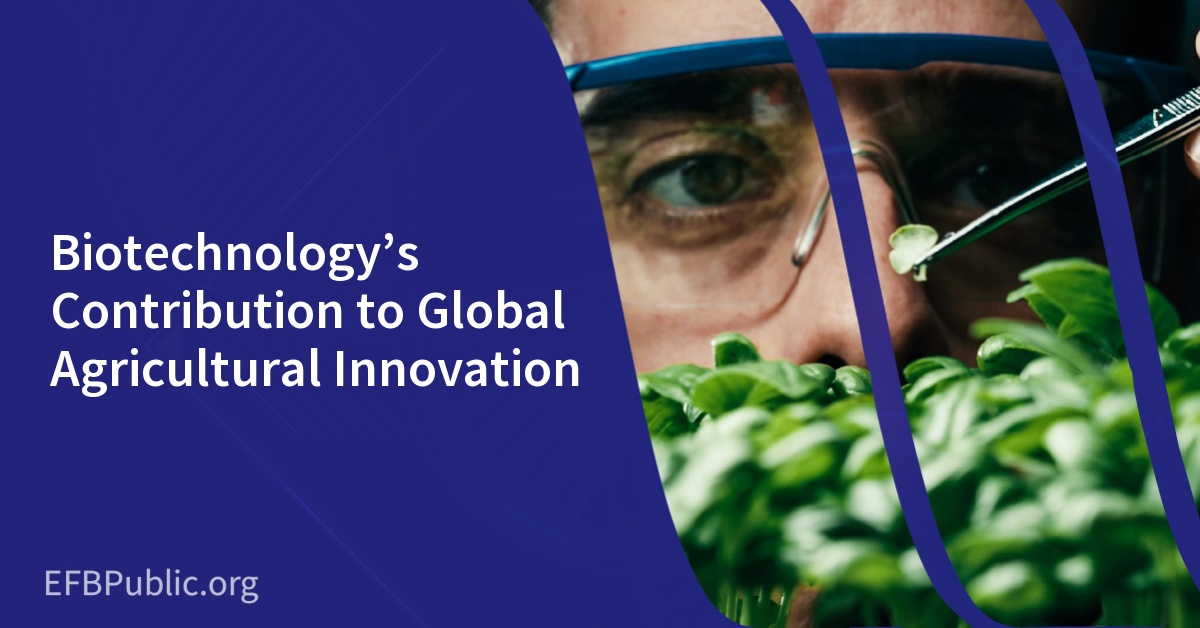
Agricultural biotechnology stands at the intersection of innovation and necessity. As global populations grow and environmental challenges intensify, the role of genetic engineering in transforming how we produce food has never been more critical. From regulatory frameworks that shape development to breakthrough applications in crops and livestock, biotechnology continues to redefine the boundaries of sustainable agriculture.
The Evolution of Agricultural Biotechnology Regulation
The regulatory landscape for agricultural biotechnology has shaped the industry’s trajectory for decades. Understanding this framework provides essential context for how innovation moves from laboratory to field.
The Coordinated Framework for Regulation
Since 1986, the United States has maintained leadership in agricultural biotechnology through the Coordinated Framework for the Regulation of Biotechnology. This regulatory approach established a foundation that enabled:
- Commercial development and approval of biotech crops through science-based evaluation
- Coordinated oversight across the USDA, EPA, and FDA to address different aspects of biotechnology
- Risk assessment protocols focused on the characteristics of products rather than the process used to create them
- Streamlined pathways that balanced innovation with safety considerations
Regulatory Approaches and Their Impact
The contrast between regulatory philosophies across different regions has significantly influenced where biotechnology innovation occurs. The U.S. approach has generally focused on product-based regulation, while other regions have adopted more precautionary frameworks.
This divergence has led to:
- Increased field testing opportunities in regions with science-based regulatory systems
- Migration of research and development activities to jurisdictions with clearer approval pathways
- Variations in the speed at which new biotechnology products reach farmers and consumers
The lessons from these different approaches underscore the importance of regulatory frameworks that evaluate actual risks while enabling continued innovation in agricultural biotechnology.
Biotechnology’s Role in Modern Agriculture
Agricultural biotechnology applies genetic engineering principles to address specific challenges in plant and animal production. These applications have expanded significantly as our understanding of genetics and molecular biology has deepened.
Understanding Agricultural Biotechnology
Genetic modification enables scientists to introduce specific traits into crops and livestock that would be difficult or impossible to achieve through traditional breeding methods. This precision allows for:
- Targeted improvements in crop resilience and nutritional content
- Enhanced resistance to specific pests and diseases
- Better adaptation to environmental stresses such as drought or heat
- Reduced reliance on chemical inputs in agricultural production
Enhancing Crop Performance
The impact of biotechnology on crop yields and sustainability has been substantial. Genetic engineering has enabled the development of crop varieties that:
- Maintain productivity under challenging environmental conditions
- Resist damage from specific insect pests, reducing the need for insecticide applications
- Tolerate herbicides that allow for more effective weed management
- Utilize water and nutrients more efficiently
These improvements contribute to food security by helping ensure consistent production even as climate patterns shift and agricultural land faces increasing pressure.
Sustainability Considerations
Biotechnology offers pathways to reduce agriculture’s environmental footprint. Research suggests that genetically modified crops can contribute to sustainability through:
Beyond individual crop improvements, biotechnology contributes to a broader, systems-level transformation of how food is grown, processed, and distributed. The integration of precision fermentation, gene editing, and microbiome engineering into agricultural workflows reflects a concerted effort to build food systems that are both productive and ecologically sound. This holistic approach is examined in depth through research on biotechnology’s role in sustainable food production systems, which outlines how these converging innovations collectively address resource efficiency, supply chain resilience, and long-term environmental stewardship.
- Decreased use of chemical pesticides due to built-in pest resistance
- More efficient resource utilization, including water and fertilizer
- Reduced soil erosion through compatibility with conservation tillage practices
- Lower greenhouse gas emissions per unit of food produced
The relationship between biotechnology and sustainable agriculture continues to evolve as new techniques and applications emerge.
Advancements in Livestock Biotechnology
While crop biotechnology has received significant attention, innovations in livestock and microbial applications represent equally important frontiers in agricultural biotechnology.
Genetic Innovations in Animal Agriculture
Gene editing technologies have opened new possibilities for improving animal health and productivity. Current research and development efforts focus on:
- Disease resistance traits that could reduce livestock mortality and the need for antibiotics
- Heat tolerance adaptations to help animals thrive as temperatures rise
- Improvements in feed efficiency that reduce the environmental impact of animal production
- Enhanced animal welfare through genetic approaches to health challenges
Vaccine Development
Biotechnology has accelerated the development of vaccines for livestock diseases. Advanced techniques enable:
- Faster response to emerging disease threats
- More targeted vaccine formulations with improved efficacy
- Reduced reliance on antibiotics for disease prevention
- Better protection for animals against diseases that impact both animal welfare and agricultural productivity
Microbial Applications in Agriculture
Microorganisms represent a powerful tool in the biotechnology toolkit. Microbial applications contribute to:
The reach of microbial biotechnology extends well beyond the field, as parallel innovations are reshaping how the global community addresses human health challenges. The same scientific principles driving advances in soil microbiome engineering and biopesticide development are informing breakthroughs in vaccine production, diagnostics, and disease prevention on a worldwide scale. biotechnology’s contribution to global health innovations illustrates how these converging disciplines are enabling more targeted, accessible, and effective solutions across diverse populations, underscoring the interconnected nature of agricultural and medical biotechnology research.
- Soil health improvement through beneficial bacteria and fungi
- Biological pest control as alternatives to chemical pesticides
- Enhanced nutrient availability for plants through microbial processes
- Environmental remediation of agricultural land affected by contamination
These microbial innovations support more sustainable agricultural systems by working with natural biological processes.
The Path Ahead
Agricultural biotechnology continues to advance rapidly, with gene editing and other precision techniques expanding the possibilities for crop and livestock improvement. The future of this field depends on maintaining regulatory frameworks that are grounded in scientific evidence while remaining responsive to new developments.
Global collaboration on regulatory standards will be essential as biotechnology becomes increasingly important for addressing food security and environmental sustainability. Science-based policies that evaluate actual risks rather than theoretical concerns provide the foundation for responsible innovation.
As agricultural challenges grow more complex, biotechnology offers tools that can contribute to solutions. The continued development of these technologies, guided by sound science and thoughtful regulation, will play a significant role in shaping sustainable food systems for future generations.

- Biotech Licensing Deals Explained: Upfront Fees, Milestones, and Royalty Structures - October 19, 2026
- Synthetic Genomics: Building Genomes from Scratch and Why It Matters for Medicine - October 12, 2026
- CE Marking vs FDA 510(k): A Side-by-Side Regulatory Comparison for Medtech Founders - October 5, 2026